4 Types of Extreme Cleaning We Handle
Extreme cleaning covers homes that are heavily soiled but not hoarded or contaminated with biohazards. These four types make up most of our work.
Deep Cleaning Without Hoarding (Heavy Build-Up, Steam Extraction)
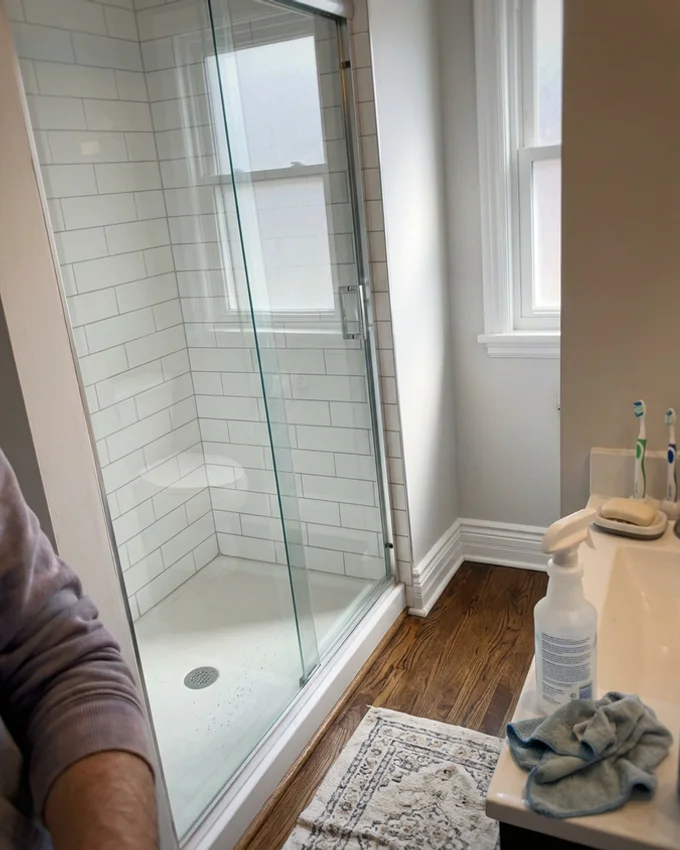
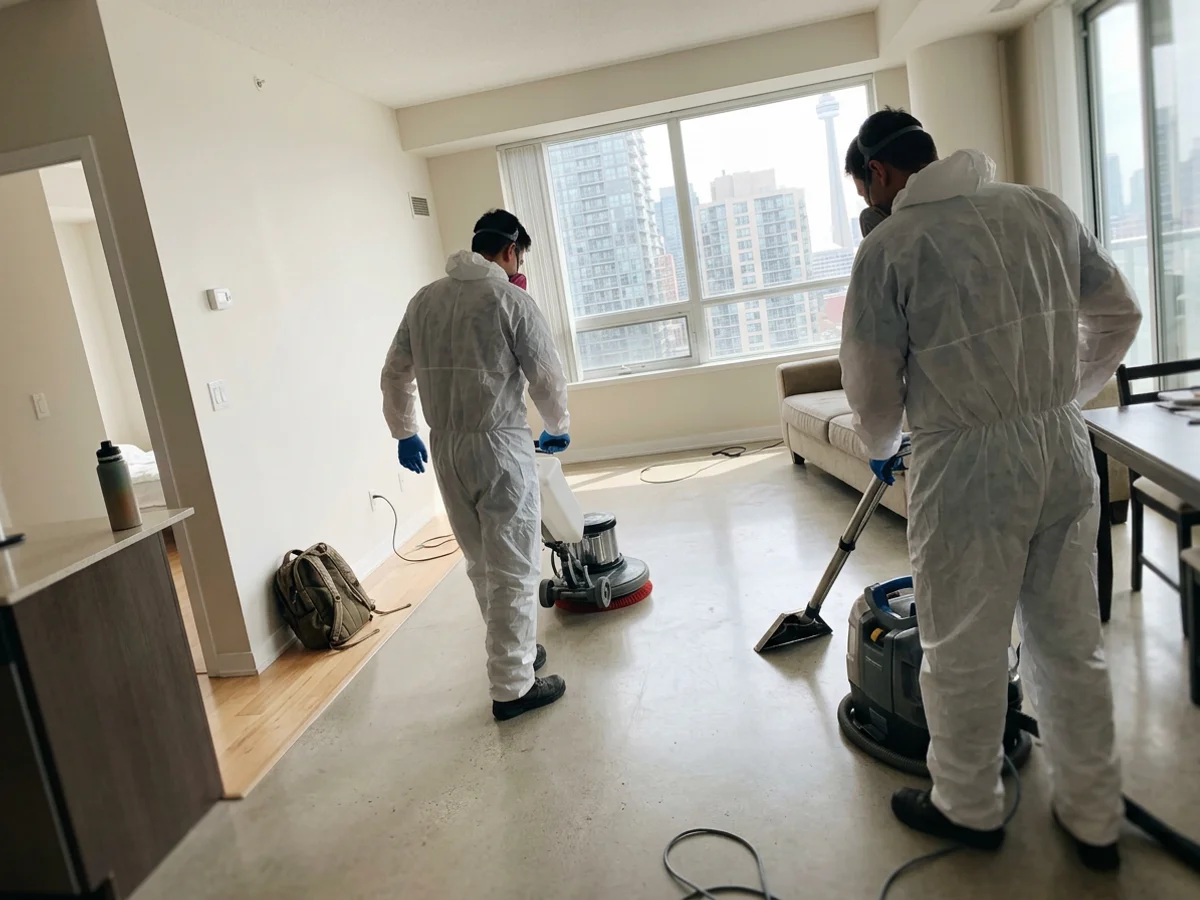
Deep cleaning without hoarding is for homes where belongings are manageable but the surfaces are not. Kitchens with layered grease on cabinets and range hoods, bathrooms with heavy soap scum and limescale, floors stained by spills and pet hair woven into carpets. We work top to bottom with heavy degreasers for kitchens, descalers for bathrooms and steam extraction for carpets, upholstery and grout. Rotary floor scrubbers handle tile and vinyl. HEPA filtration vacuums capture fine dust and allergens rather than blowing them around. Products are matched to each surface, so stone, hardwood and stainless steel come out clean and undamaged. There is no sorting involved, so it moves fast.
Post-Tenancy Turnover (Rental Units, Condo Move-Outs)
Post-tenancy turnover gets a rental unit back on the market. When tenants leave a unit with heavy build-up, landlords and property managers need it cleaned, documented and ready quickly. We photograph the unit as found, which supports any claim for damages at the Landlord and Tenant Board, then clean every room including inside appliances, cabinets, closets and windows. Nicotine residue is stripped from walls and ceilings. Carpets are steam extracted or flagged for replacement. In condos we book the service elevator and loading dock with management. You recieve a short report with photos, so the unit can be listed or inspected the same week.
Pre-Sale Cleaning (Listing-Ready, Odour-Neutral)
Pre-sale cleaning prepares a home for photos, showings and inspections. Buyers notice odour first, then grime on kitchens and bathrooms, then floors. We focus on those in that order. Odour neutralization covers cooking, pet and smoke smells, using cleaning first and hydroxyl treatment where needed. Kitchens are degreased, appliances cleaned inside and out, bathrooms descaled and grout steam cleaned. Floors are scrubbed or extracted. We coordinate with your realtor on timing, often finishing a day or two before photos, and can come back for a quick touch-up before an open house. The result is a home that shows well without hiding problems.
Mental Health Recovery Cleaning (Paced, Zero Judgment, Resident Involvement Optional)
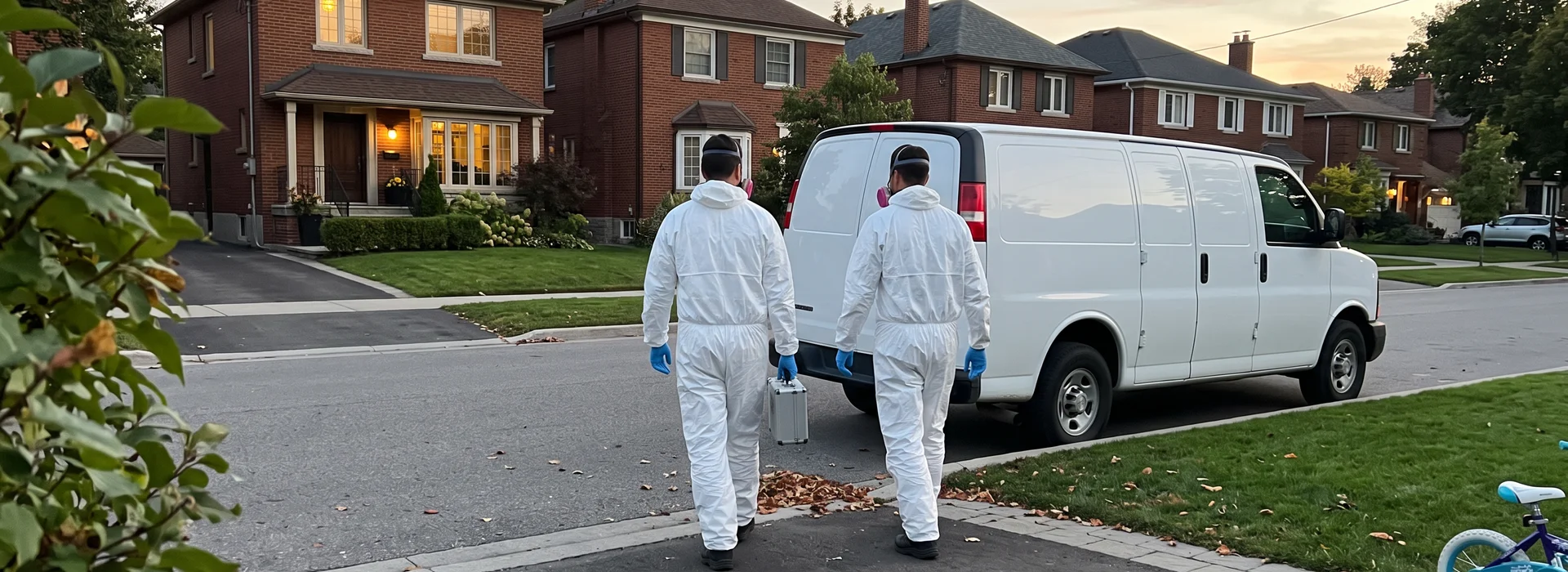
Mental health recovery cleaning is for homes that slipped during depression, burnout, illness or grief. The most important part is how it feels. You choose the pace, the order of rooms and how involved you want to be. Some clients like to work alongside the crew, others prefer to step out and come back to a finished space. Our crew lead speaks with you, not about you, and nobody comments on how things got this way. Vans are unmarked and conversations stay private. If you ask, we can share Toronto mental health and community support resources. Many clients book a light maintenance visit a month later.
When Toronto Homes Need Extreme Cleaning Fast
Hospital Discharge Planning With a Home That Is Not Safe
Symptom: A patient at Mount Sinai, Toronto General, Sunnybrook or any GTA hospital is being discharged within 7 to 14 days, and the home has deteriorated during their hospital stay (or was already in poor condition). CCAC home care has flagged that they cannot work in the current environment.
Immediate action: Loop in the discharge planner and CCAC coordinator with real photos of the home. Request a short discharge extension if possible. Do not promise a weekend blitz. Rushed cleanouts without the patient’s involvement often fail within a month.
Scope: We work to the discharge date, prioritize the safety path (bathroom, kitchen, bedroom, exits) first, deploy HEPA negative air if mold or biohazard is present, disinfect with hospital-grade sodium hypochlorite and quaternary ammonium, verify with ATP swabs before CCAC enters for assessment, and coordinate installation of any safety hardware (grab bars, raised toilet seats). Typical pre-discharge cleaning $1,200 to $4,500, 2 to 3 days with crew of 2 to 4.
Qualified contractor response: Needs CCAC workflow experience, hospital-grade disinfection chemistry, ATP verification capability, and willingness to work on a discharge planner’s timeline. Avoid any crew that treats this like a standard move-out clean. The patient will return within days.
Post-Tenancy Deep Clean With Pest and Mold Overlap
Symptom: A tenant has moved out leaving the unit well beyond normal wear and tear. Pet damage, roach activity, mold in the bathroom, cooking grease on every surface. The landlord needs it rentable within 2 weeks and the next tenant has already signed.
Immediate action: Coordinate pest control for first visit BEFORE our deep clean (killing active pests prevents re-infestation of cleaned surfaces). Flag any mold findings to a mold-remediation specialist if the growth is beyond surface contamination. Document the starting condition for any security deposit or landlord-tenant dispute.
Scope: We work after pest control’s first treatment, HEPA negative air during active cleaning, hospital-grade disinfection on all surfaces, HVAC return cleaning and filter replacement, degreaser treatment on kitchen surfaces and range hood, mold remediation where surface-level (bathroom caulking, grout), and ATP verification before handoff. Typical post-tenancy deep clean $1,500 to $4,500, 2 to 3 days with crew of 2 to 3.
Qualified contractor response: Needs coordination with pest control and mold specialists (not DIY on their work), HVAC return access and filter replacement capability, ATP verification, and the willingness to flag issues that need licensed trades (plumbing, mold beyond surface, structural) rather than cover them up. Avoid any crew that promises to handle active pests themselves.
Mental Health Crisis Recovery With Caseworker Coordination
Symptom: A tenant or homeowner has been through a mental health crisis. Hospitalization, suicide attempt survived, substance use relapse. And the home reflects it. There may be biohazard, drug paraphernalia, needles, or structural damage from a crisis event. The person is now home or returning soon with a caseworker.
Immediate action: Coordinate with the caseworker (CMHA, CAMH, Thompson Anxiety Disorders Clinic at Sunnybrook) on timing and the person’s involvement. Do not surprise the person with a cleanup day. If needles or sharps are present, do not try to handle them yourself.
Scope: We work alongside the caseworker, respect the person’s agency on what to keep vs clear, remove any biohazard or sharps under OSHA 1910.1030, disinfect with hospital-grade chemistry, run HEPA air scrubbers, and leave the home in a condition that supports recovery (clear exits, functional kitchen, clean bathroom, safe bedroom). Cost $2,000 to $6,500, 1 to 3 days with crew of 2 to 3. Private communication with one family or caseworker contact.
Qualified contractor response: Needs trauma-informed training, caseworker coordination experience, OSHA 1910.1030 for sharps and bloodborne pathogens, dignity-first approach, and willingness to pause work if the person is emotionally overwhelmed. Avoid any crew that treats this like a standard squalor job.
Did a Regular Cleaner Turn You Down?
That is more common than you think. Our guide on extreme cleaning vs standard cleaning explains why, and extreme cleaning after a mental health crisis describes our zero-judgment approach.