4 Types of Senior Hoarding Cleanup Support We Provide
Older adults need a cleanup that fits their health, history and pace. These four parts shape every senior job, and the plan is agreed with the resident.
Geriatric-Sensitive Approach (Paced Sorting, Consent First)
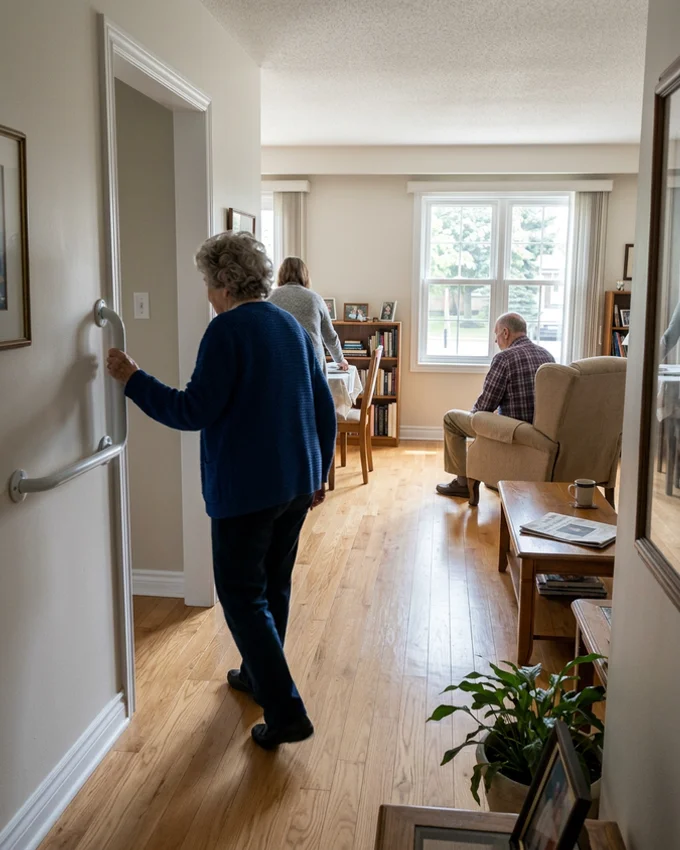
A geriatric-sensitive approach starts with time and respect. The first visit is mostly listening. Our crew lead learns what matters to the resident, which rooms they use and what worries them about the cleanup. Capacity and consent guide every decision. If the person can decide, they decide. Sorting happens in short sessions at a table, with items brought to them rather than asking them to climb over piles. Keepsakes are handled with care, and the resident sees each bag before it leaves. This is slower than a family clearout over a weekend, but it keeps trust and makes relapse less likely, which is what families really want.
Family Mediation (Crew Lead Mediates Between Siblings and Parent)
Family mediation is often the hardest part of a senior job. Adult children may want a fast, deep clear, while a parent wants to keep almost everything, and siblings rarely agree with each other. Our crew lead acts as a calm, neutral voice. Before work starts, we agree house rules with everyone: what counts as safety, what the parent decides alone, and how disputed items are handled. Disputed items go to a hold box with a photo. Updates go to one family contact so everyone hears the same thing. Many families tell us the mediation was worth more than the cleaning.
Mobility & Fall-Risk Preservation (Clear Paths, Accessible Essentials)
Mobility and fall-risk preservation means the home works for the body living in it. We clear paths at least a metre wide from bed to bathroom and from living room to exits. Loose rugs are removed or secured, cords are tidied and stairs are cleared completely. Daily essentials go on shelves between hip and shoulder height. Night lights or lamps are placed along the route to the bathroom. We check that walkers or wheelchairs can turn in key rooms. At handoff, the family gets a short fall-risk list with anything else to consider, such as grab bars or railings, which an occupational therapist can advise on.
Case Worker Partnership (Discharge Planners, Home Care, Community Supports)
Case worker partnership connects the cleanup to the rest of a senior’s care. Hospital discharge planners often need a home cleared before a patient can go home, so we work to their date and send photos of the finished rooms. Home care teams need space to work, so we plan around their visits. Community agencies, family doctors and groups like the Toronto Hoarding Network support the person long after we leave. With the resident’s permission, we share the cleanup plan and outcome with those supports, and maintenance visits can be scheduled to help with relapse prevention.
When Toronto Families Need Senior Hoarding Help Fast
Hospital Discharge in 7 Days to an Unlivable Home
Symptom: A parent is in hospital after a fall, cardiac event or stroke, and the discharge planner says they can go home in 5 to 10 days. The adult child visits for the first time in months and finds the home unlivable: blocked exits, cluttered bathroom, no clear path to the bed. CCAC home care cannot work in these conditions.
Immediate action: Loop in the discharge planner and CCAC coordinator immediately with the real condition of the home (send photos). Ask the discharge planner to extend the stay by a few days if needed. Do not try to clear it yourself in a weekend. Rushed cleanouts without the parent’s input damage the relationship and get undone within weeks.
Scope: We work to the discharge date, clear the bathroom, kitchen and exits first (the safety path), coordinate with CCAC on wheelchair accessibility and grab bar installation points, and sort the rest of the home with the parent after they return. Typical pre-discharge cleanups $1,500 to $5,500 for the safety path, 2 to 4 days with crew of 2 to 4. We send photo updates to one family contact.
Qualified contractor response: Must have experience with CCAC coordination, understand fall-risk clearance priorities (not just volume), take direction from the discharge planner, and work in a dignity-first way with the senior rather than talking around them. Avoid any crew that promises to “clear the whole house in a weekend”. That is a red flag for a traumatic cleanout.
Dementia-Driven Hoarding With Power of Attorney Involvement
Symptom: A parent with mild to moderate dementia has been accumulating for years, refuses to acknowledge the problem, and the family has recently activated power of attorney for property. Family members disagree on how fast to move and how much to keep. The parent gets agitated when items are touched.
Immediate action: Document the condition with photos for the POA file. Loop in the family’s geriatric case manager, social worker or Thompson Anxiety Disorders Clinic if there is a diagnosed hoarding disorder. Agree sorting rules in writing among family BEFORE our first visit. Do not surprise the parent with a cleanup day.
Scope: We work alongside the family and POA, start with low-stakes areas (not personal keepsakes), use a hold box for disputed items that the parent can review weekly, and move at the pace the parent and family can live with. Cost $3,500 to $10,000 over 1 to 3 weeks of staggered visits with crew of 2 to 3. Family mediation and photo updates to one contact included.
Qualified contractor response: Needs experience with hoarding disorder as a mental health condition (not laziness or neglect), willingness to pause and reschedule based on the senior’s emotional state, written sorting-rule intake, and coordination with the family’s social worker or clinician. Avoid any crew that treats this like a standard junk removal job.
Senior Transitioning to Long-Term Care Within 60 Days
Symptom: A parent has been placed on an LTC waitlist and the admission date is set within 30 to 60 days. The family home or condo needs to be cleared, sorted, and either sold or returned to a landlord. The senior is distressed about leaving the home and the items in it.
Immediate action: Create a 3-column inventory sheet before any sorting begins: “coming to LTC” / “going to family members” / “donate or dispose.” Involve the senior in the “coming to LTC” column first so they feel heard. Loop in the estate lawyer or realtor on timeline.
Scope: We sort with the family and senior in staggered visits, pack and label items going to LTC and family members, route donations to Furniture Bank, Habitat ReStore and animal rescues with weigh tickets, remove regulated waste with manifested disposal, and leave the home ready for cleaning or realtor staging. Cost $2,500 to $8,500, 1 to 3 weeks of staggered visits with crew of 2 to 4.
Qualified contractor response: Needs patience and family mediation skills, understanding of LTC admission timelines, donation routing partnerships, and the willingness to work in short visits over weeks rather than one blitz day. Should coordinate with the realtor, lawyer and LTC admissions team as needed.
Worried About a Parent?
Start with our guide to hoarding in seniors for Toronto families, then read keeping a senior safe at home after a hoarding cleanup for the next steps.