4 Types of Decluttering and Debris Removal We Provide
These four parts make up most decluttering jobs. Your scope says which ones apply and how long each takes.
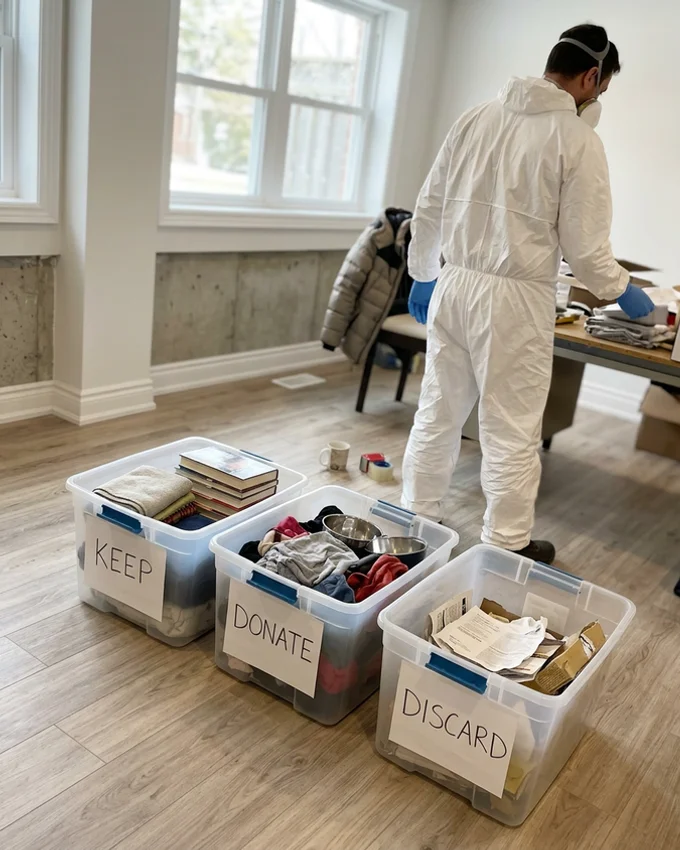
Sort With Family (Keep/Donate/Discard, Paced to the Resident)
Sort with family is the heart of every decluttering job. Before anything is lifted, we set up three clearly labelled zones for keep, donate and discard, plus a hold box for anything uncertain. The resident or a trusted family member makes the calls, and the crew handles the lifting, packing and carrying. Photos, documents, jewellery, cash and keepsakes are always set aside by hand, even when they turn up in unexpected places. We pace the work to the person. Some people decide quickly, others need time with each item, and both are fine. Nothing leaves the home without a decision, and families get photos of the final sorted piles.
Donation Routing (Local Toronto Charities, Receipts Where Available)
Donation routing keeps usable things out of landfill. We sort donations by type, then deliver furniture, clothing, housewares, books and tools to the local Toronto charities that accept each kind. Items that charities will not take, such as mattresses or worn upholstery, are recycled or disposed of properly. Where a charity issues a donation receipt, we pass it on. You get a simple list showing what went where. Higher donation and recycling rates also lower your disposal costs, because transfer station fees follow weight. Many families tell us knowing a parent’s things went to good use made the day far easier.
Documented Haul (Transfer Station Disposal Records)
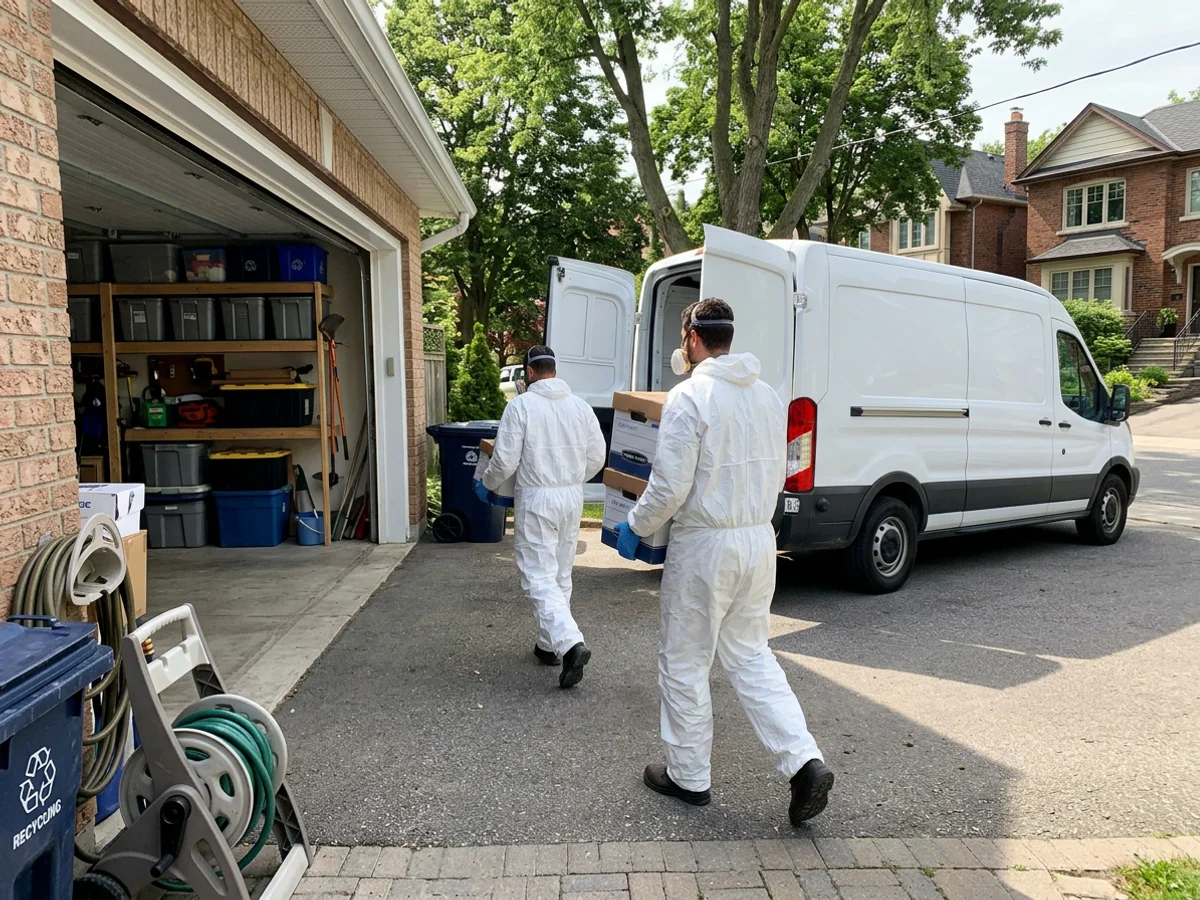
Documented haul means you can see exactly where everything went. Items that cannot be donated or recycled go to City of Toronto transfer stations such as Commissioners Street, or the regional facility closest to the home. Each load is weighed, and we keep the weigh tickets for your file. Electronics, metal and cardboard are separated for recycling to improve the diversion rate. Paints, chemicals and batteries are taken to proper drop-off points instead of the regular waste stream. For executors and landlords, this record shows that disposal was legal and reasonable, which matters for estate accounting and any later questions from beneficiaries or tenants.
Non-Hoarding Protocol (Standard PPE, No Biohazard Handling)
Non-hoarding protocol is how we keep decluttering affordable. When a home is full but safe, without waste, sharps, mold or pest activity, crews work in standard PPE such as gloves, dust masks and safety boots, and no containment is needed. That keeps the price in the $800 to $3,500 range. Because our crews are trained for hoarding and biohazard work, we also know when a job crosses the line. If we uncover droppings, mold or needles, we stop, explain what we found and adjust the scope with you before going further. You are never surprised by a bill, and nobody is put at risk.
When Toronto Homes Need Debris Removal Fast
Pre-Sale Clutter Cleanout With a Fixed Listing Date
Symptom: A Toronto, Mississauga or Vaughan home is being prepped for sale within 3 to 6 weeks. Decades of accumulation make staging impossible. The realtor needs the home cleared and cleaned before the listing photos. The owner is overwhelmed.
Immediate action: Agree with the realtor on the exact listing date so our timeline works backward from it. Identify family keepsakes and valuable items BEFORE our clearance begins. Once we start, we cannot stop to re-evaluate every box. Agree sorting rules in writing.
Scope: We work alongside the family and realtor, use a 3-category hand sort (keep for family / donate / dispose), route donations to Furniture Bank, Habitat ReStore and local shelters with weigh tickets, manifest regulated waste, and leave the home ready for cleaning and staging. Typical pre-sale debris removal $1,500 to $5,500, 2 to 4 days with crew of 2 to 4. Daily photo updates to one family contact.
Qualified contractor response: Needs realtor-timeline awareness, donation routing partnerships (Furniture Bank is backed up. Book 2 weeks ahead), weigh ticket documentation for the estate file, and willingness to work in short staggered visits rather than one blitz day. Avoid any crew that promises a weekend clearout of a 40-year home.
Pre-Renovation Debris Clearance With Hazard Sort
Symptom: A homeowner is starting a renovation (kitchen, basement, whole house) and needs the space cleared of years of accumulated items + any hazardous materials (old paint, propane cylinders, electronics, batteries, chemicals). The contractor cannot start until the space is empty and safe.
Immediate action: Identify any items the family wants to keep BEFORE we arrive. Once a renovation is underway, the staging area is gone. Coordinate with the contractor on exact clearance date. Flag any hazardous materials you suspect are present so we bring the right disposal supplies.
Scope: We hand-sort everything, route donations to Furniture Bank and Habitat ReStore with weigh tickets, segregate hazardous waste (paint, propane, chemicals, batteries, electronics) for Household Hazardous Waste depot drop-off, and manifest any regulated waste. Typical pre-renovation clearance $1,200 to $4,500, 1 to 3 days with crew of 2 to 3. Clean handoff ready for the contractor.
Qualified contractor response: Needs Household Hazardous Waste depot knowledge (every GTA municipality has one), electronics recycling partnerships, battery disposal protocol, and the willingness to sort rather than haul everything to landfill. Avoid any crew that will not segregate hazardous waste. That is a legal violation and a safety risk.
Post-Renovation Surplus Material and Debris Haul
Symptom: A completed renovation has left behind surplus drywall, flooring offcuts, old cabinets, packaging, and construction debris. The contractor billed for cleanup but did not do it, or the homeowner self-contracted and now has a garage full of material.
Immediate action: Separate anything the homeowner wants to keep (spare tiles, extra flooring for repairs) before our arrival. Identify any hazardous materials (paint cans, solvents, insulation with potential asbestos) for separate handling. Have a staging area accessible.
Scope: We hand-load debris, route reusable material (drywall, flooring offcuts, cabinets) to Habitat ReStore or RenoRescue, manifest regulated waste (paint, solvents, asbestos if present and licensed abatement is already done), and leave the garage or basement clean. Typical post-renovation debris $800 to $3,500, same-day to 2-day turnaround with crew of 2 to 3.
Qualified contractor response: Needs reuse-market knowledge (Habitat ReStore accepts specific items; RenoRescue handles different categories), weight-based disposal pricing, and the willingness to sort for reuse rather than straight-to-landfill. Avoid any crew that quotes by the truckload without sorting. The environment and the price both suffer.
Downsizing a Parent’s Home?
Our guide on where donated items go after a Toronto cleanout explains how we route belongings, and clearing a parent’s home before long-term care covers the timeline.