
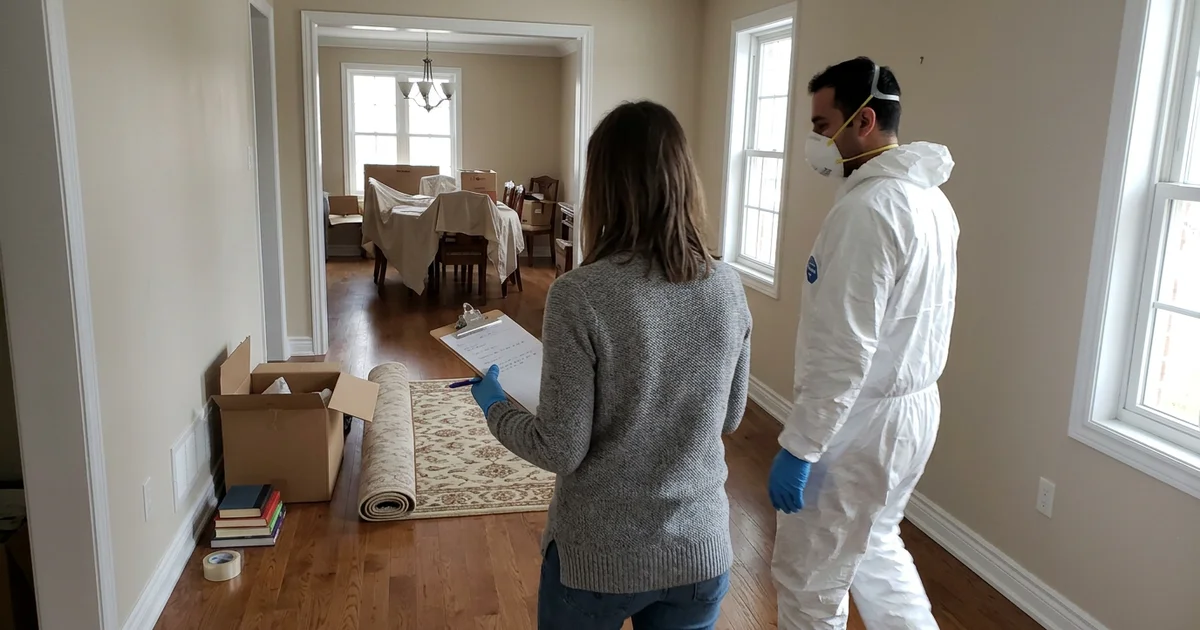
You Have the Keys. Now What?
We often see executors overwhelmed by the sheer volume of tasks left behind in a lifelong home. The silent rooms hold a lifetime of memories, along with a complex web of legal and logistical hurdles. Understanding your executor responsibilities house cleanup ontario style is the first step in creating a manageable process.
Our professional service teams have walked this path hundreds of times.
It requires balancing the emotional needs of beneficiaries with the strict demands of an estate lawyer. We created this guide to map out a clear, step-by-step approach from the moment you turn the key to the day you list the property. This structure protects the assets while keeping the peace.
Our executor estate cleanouts service tackles the heavy lifting when you need boots on the ground. Let us break down the immediate priorities and the documentation you need to protect yourself.
Step 1: Secure the Home
We advise securing the property immediately to prevent insurance complications. Standard Canadian home insurance policies generally void coverage if a house sits vacant for more than 30 days. Our first priority is always locking doors and setting up basic maintenance routines. Failing to notify the insurer about a vacancy can leave you personally liable for theft or water damage. We recommend reviewing the policy the very first week to see if a vacancy permit is required.
| Task | Why |
|---|---|
| Check and secure doors, windows and locks | Vacant homes attract break-ins |
| Remove perishables from fridge and pantry | Prevents odour, pests and mold |
| Check for leaks, heat and plumbing issues | Winter pipe bursts can void insurance |
| Look for biohazards, including signs of an unattended death | Requires professional remediation |
| Redirect mail and stop newspapers | Signals someone is managing the home |
| Notify the home insurer that the home is vacant | The 30-day Canadian vacancy rule applies |
These protective steps preserve the value of the estate right from day one. Our crews routinely handle these initial checks for busy estate trustees. Taking action early prevents minor issues from becoming expensive disasters.
Step 2: Inventory Before Removal
We strictly enforce a visual inventory policy before a single item leaves the premises. Documenting the contents protects you if a beneficiary disputes a specific asset months later. Our process involves photographing every room, closet, and outbuilding in detail. You will need accurate valuations to file the Ontario Estate Information Return.
The Ministry of Finance requires this return within 180 calendar days of receiving your probate certificate. We suggest using a simple digital tool like the Encircle app to catalog high-value items quickly. This creates a time-stamped, verifiable record for the estate lawyer. Our detailed estate trustee house cleanout protocols include building this exact digital file for you.
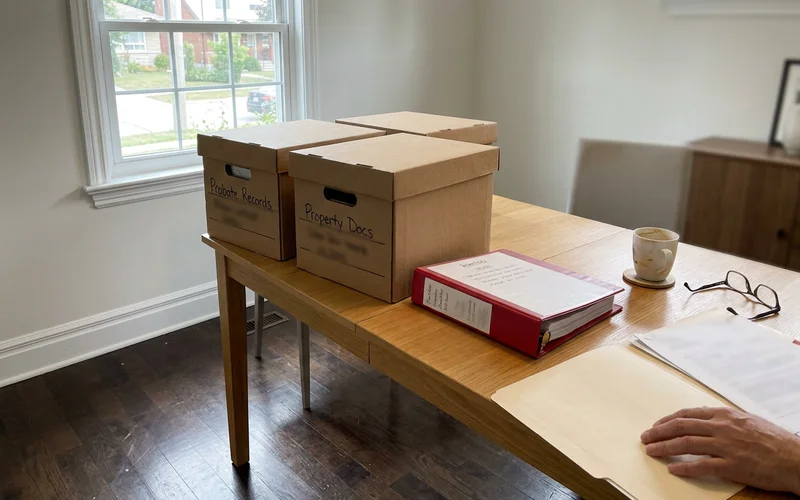
Step 3: Find and Protect Documents and Valuables
We uncover critical financial documents in the most unexpected places during estate clearings. You must locate wills, deeds, tax forms, and safe deposit box keys before authorizing general trash removal. Our teams carefully sift through hoarded spaces to find the required T4 slips and life insurance policies. Locating these items quickly speeds up the process of applying for a Canada Revenue Agency clearance certificate.
Any personal paperwork that lacks financial or legal value requires secure shredding to prevent identity theft. We always provide a certificate of destruction for these materials.
Ask before you distribute
Protecting the estate is one thing; distributing assets is another. Our guide on clearing a home before probate covers where that line usually falls.
Step 4: Coordinate Beneficiary Items
We always ask executors to refer strictly to the written wishes in the will when distributing sentimental items. Disagreements over family heirlooms cause some of the longest delays in estate settlement. Our standard advice involves using coloured sticky notes or a shared digital spreadsheet to track who gets what. This transparent approach keeps beneficiaries informed and minimizes friction.
Any disputed items must remain safely stored and photographed until the estate lawyer resolves the conflict. We find that clear, early communication prevents the vast majority of family arguments.
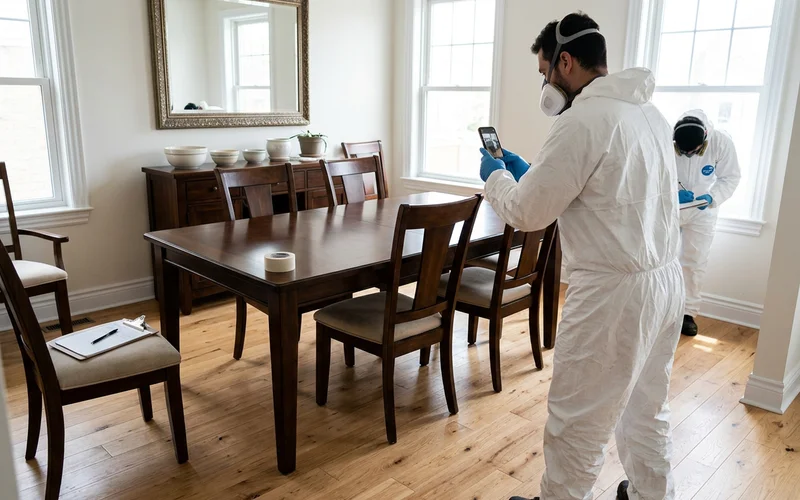
Step 5: Clear, Donate and Dispose With Records
We begin the general clearing phase only after all beneficiary items are secured. Good usable furniture and household goods should go to local charities to reduce waste. Our crews manage these logistics to ensure you receive the proper donation receipts for the final accounting. These tax receipts add documented value back into the estate.
We separate the remaining items into specific categories for processing:
- Usable Goods: Donated to organizations like Habitat for Humanity ReStore or Diabetes Canada.
- Recyclables: Sorted to minimize landfill contributions.
- Waste: Transported to licensed municipal transfer stations.
The weigh tickets generated at these facilities provide undeniable proof of the disposal costs. We keep strict records at this stage to shield you from accusations of financial mismanagement.
Step 6: Clean and Hand Off for Sale
We execute a thorough deep clean once the property is completely empty. A spotless, odour-free home consistently commands a higher listing price in the competitive Ontario real estate market. Our process includes treating specific odours and noting any minor repairs needed before staging.
Professional Cleaning Pays Off Real estate agents confirm that a completely cleared and deep-cleaned home often sells faster and closer to the asking price.
This detailed preparation hands a clean slate to your realtor. We coordinate directly with local real estate agents to align the cleaning timeline with the photography schedule.
Records to Keep for the Estate Accounting
We strongly advise setting up a dedicated binder or digital folder for all your financial documentation. The Canada Revenue Agency mandates that executors retain tax and estate records for a minimum of six years from the end of the last tax year they relate to. Our clients use this standard checklist to stay organized.
- Inventory photos and room-by-room lists
- Itemized cleanup invoices and service contracts
- Donation receipts from registered charities
- Municipal weigh tickets and any biohazard manifests
- Before and after property photos
- Notes on household repairs and contractor receipts
Maintaining this level of detail ensures you are fully prepared for any government audit. We know that thorough paperwork provides the ultimate peace of mind.
If You Live Far Away
We manage estate clearouts for many executors living in different provinces or entirely different countries. Coordinating an executor checklist ontario project remotely requires heavy reliance on digital communication and reliable local partners. Our teams happily meet with a trusted neighbour or your chosen realtor to collect the property keys. Daily evening photo updates keep you fully informed of the progress.
Important approvals and decisions happen easily via email or secure text messaging. We finalize the job by delivering a complete, organized documentation package directly to your inbox. You absolutely do not need to be on site to execute a careful and compliant property cleanout. Reach out to our team when you are ready to start planning the clearance.