
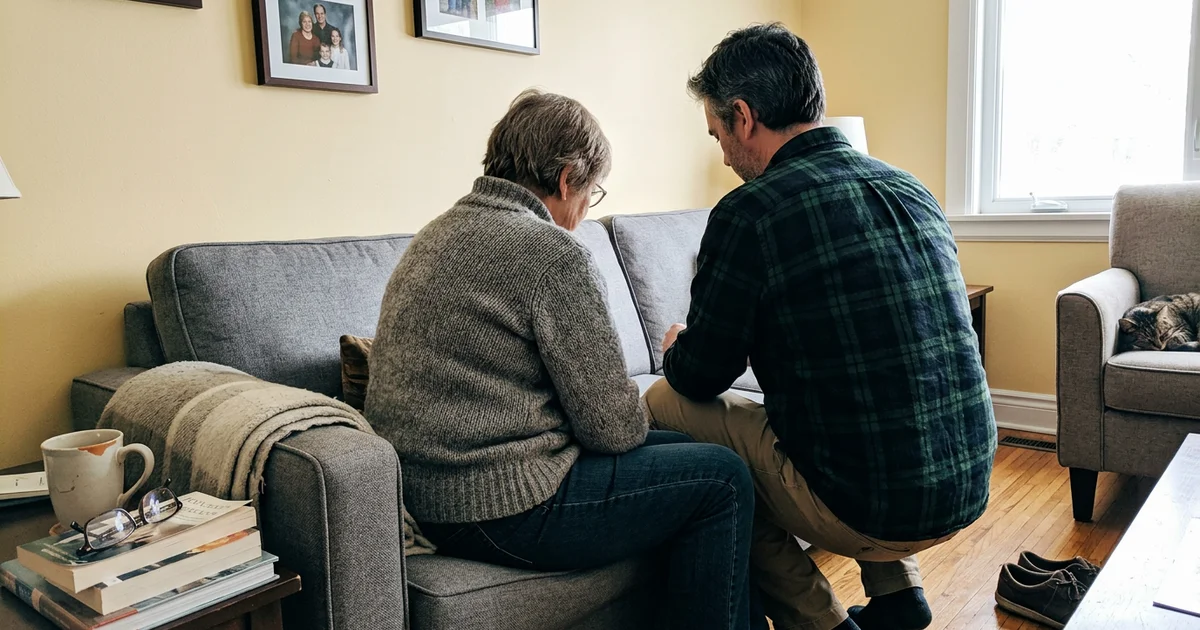
We see the overwhelming stress that families face when trying to manage hoarding in seniors toronto. This situation usually hits a breaking point when an emergency forces the issue, leaving everyone scrambling for answers.
Our team has learned that addressing the clutter is only part of the solution.
You need practical strategies to restore safety without causing unnecessary trauma. The psychological attachment to these items runs deep, meaning standard junk removal tactics will inevitably fail. We will outline the specific legal steps, physical safety protocols, and emotional support networks required to handle this properly.
Let’s look at the local risks, what the property standards actually require, and explore exact methods to resolve the problem effectively.
Why Hoarding Often Grows With Age
Hoarding behaviors typically intensify in older adults due to physical decline, increasing isolation, and cognitive changes over many years. This accumulation builds slowly and often goes unnoticed until a crisis occurs. We frequently see homes where a spouse has died and their things remain completely untouched. Friends move away or pass on, leaving the house quieter and much fuller. Our teams notice that arthritis, poor eyesight, or fatigue make sorting physically impossible for many residents.
Some people grew up with very little and learned to keep everything just in case they need it later. For others, changes in memory or thinking make decisions harder than they used to be. We always remind families that none of this is a moral failing, and approaching it with empathy gets much better results. The Canadian Mental Health Association (CMHA) Toronto reported a massive spike in elderly hoarding help toronto cases following recent periods of isolation. Our guide ensures that when the home needs hands-on help, a paced approach like senior hoarding cleanup works best around the person.
Common Triggers for Accumulation
We track several distinct life events that often accelerate the gathering of items. These triggers help explain the sudden changes in your loved one’s living environment.
- Loss of a partner: Grief often makes parting with shared belongings feel like a betrayal.
- Physical limitations: Reduced mobility turns simple trash disposal into an exhausting chore.
- Cognitive decline: Early stages of dementia severely impact the executive function required to organize items.
- Social isolation: Objects begin to fill the void left by a shrinking social circle.
Consent and Capacity
An older adult with mental capacity retains the absolute legal right to make decisions about their home and belongings. You cannot force a property clearance without proper legal authority or medical consent in Ontario. We always start by assessing the legal standing of the situation before moving a single item. The province assumes capacity until a formal evaluation proves otherwise. Our experience shows that families who push for unauthorized cleanouts face severe legal and emotional backlash.
Under the Ontario Substitute Decisions Act, capacity is decision-specific rather than a blanket diagnosis based on age. A parent might be fully capable of deciding what to eat, but incapable of managing severe fire hazards. We recommend speaking with a doctor if you worry your parent no longer understands the daily risks. The Capacity Assessment Office (CAO) under the Ministry of the Attorney General trains specific professionals to perform these evaluations. Our team can work alongside these social workers and nurses to ensure everyone follows the correct legal steps. If needed, a lawyer can explain powers of attorney and substitute decision-making.
Consent works better anyway
Cleanups done against an older person’s wishes often lead to anger, grief and refilling. Cleanups they agree to, even partly, tend to last.
The Risks That Matter Most
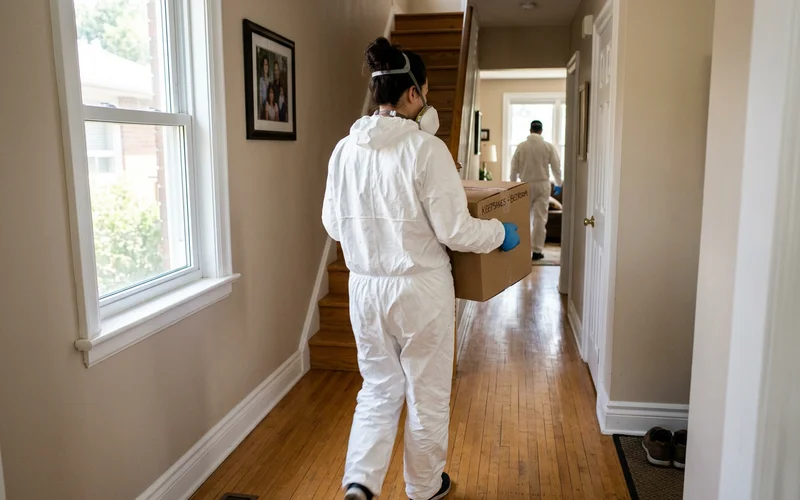
The most critical dangers in a cluttered home involve physical safety, specifically extreme fire hazards and severe fall risks. You must address these immediate, life-threatening issues before trying to organize personal keepsakes. We prioritize establishing clear escape routes to meet local safety bylaws. Toronto Fire Services frequently issues strict violation notices if combustible materials block the main exits of a residence. Our first action on any site focuses squarely on eliminating these acute risks.
The City of Toronto Situation Table for Housing-at-Risk identifies severe clutter as an “Acutely Elevated Risk” that demands immediate intervention. Poor sanitation easily leads to structural damage or heavy pest infestations. We tackle these hazards systematically to restore basic living conditions.
| Risk | Why it matters for seniors | First fix |
|---|---|---|
| Falls | Clutter on floors and stairs, poor lighting | Clear paths at least a metre wide |
| Fire | Paper near heaters, stoves and furnaces | Clear around heat sources and exits |
| Poor nutrition | Kitchen unusable, spoiled food | Make the kitchen safe and working |
| Hygiene | Bathroom blocked or unusable | Clear and sanitize the bathroom |
| Missed medications | Pills lost in clutter | Set up a clear medication spot |
| Isolation | Embarrassment stops visitors | Make one room comfortable for guests |
The Threat of Eviction
Property standards present a massive hurdle for those living in apartments or rented houses. Landlords have the legal right to pursue eviction if the unit violates specific safety codes.
- Fire code violations: Blocked windows and doors prevent emergency rescue operations.
- Pest management failures: Accumulated food waste attracts rodents that spread to neighboring units.
- Structural stress: The sheer weight of stacked papers and belongings can damage floor joists.
Local Supports and Case Workers
Toronto provides a wide network of public health nurses, mental health programs, and specialized social workers dedicated to older adults. Engaging these specific local agencies helps secure the medical backing necessary for a successful intervention. We strongly suggest using a family doctor as the best first stop for health concerns and formal referrals.
Home and community care services can easily arrange assessments and targeted in-home support. Our crews collaborate directly with these groups to ensure a coordinated response.
Key Agencies to Contact
Several local organizations specialize in managing complex environmental health cases. You should reach out to these groups to explore funding and therapy options.
- Toronto Public Health (311): They dispatch community nurses to conduct free, no-judgment home evaluations.
- THSSN: The Toronto Hoarding Support Services Network connects 25 different community agencies to streamline assistance.
- CMHA Toronto: Their specialized program provides direct support for seniors aged 65 and older facing eviction.
- Hospital Discharge Planners: These professionals orchestrate safe return-home strategies after medical emergencies.
Community mental health programs provide crucial cognitive-behavioral therapy alongside the physical cleanup. Many of our local cleanups happen on a strict discharge timeline to ensure a safe return home.
What a Senior-Focused Cleanup Looks Like
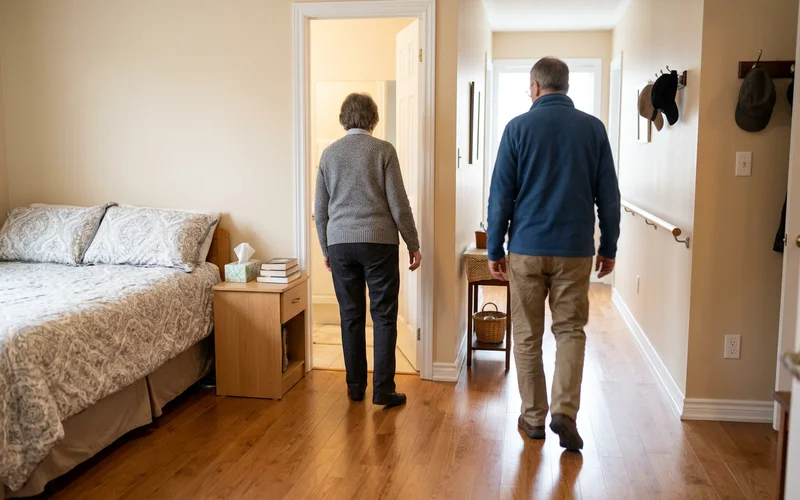
A proper senior-focused cleanup relies on short, structured sorting sessions that limit physical exhaustion and emotional distress. The main goal involves restoring functional safety rather than forcing a completely bare environment. We apply a trauma-informed approach that respects the deep psychological attachment to these belongings. Local organizations like VHA Home HealthCare promote this exact harm reduction strategy for vulnerable residents. Our methods prioritize keeping the senior comfortable and involved throughout the entire process.
This specialized process differs greatly from standard junk removal services. You need a patient, methodical plan that prevents panic and reduces the chance of immediate refilling. We follow a strict operational outline to protect the mental well-being of our clients.
- A first visit that is mostly listening. The crew lead meets your parent, learns what matters and explains the plan in plain words.
- Short sorting sessions. Items are brought to a table so your parent does not have to climb over piles.
- Safety first. Paths, the bathroom, the kitchen and exits are cleared before anything else.
- The same crew lead every visit. Familiar faces reduce stress.
- Family mediation. Agreed rules and a hold box for disputed items keep siblings calm.
- A fall-risk walkthrough at the end. With a short list of anything else to consider.
The Harm Reduction Model
Traditional clear-outs completely strip a home of its contents and often cause severe trauma. A harm reduction strategy focuses solely on mitigating specific dangers while allowing the resident to maintain control.
- Targeted clearing: We only remove items blocking major walkways or heat sources.
- Sanitization over perfection: The focus remains on eliminating biohazards and mold, not creating a pristine showroom.
- Empowered decision making: The senior dictates the pace and chooses which non-hazardous items stay.
After the Cleanup
The critical work of maintaining a safe home begins immediately after the initial physical clearing ends. Without ongoing mental health support and scheduled maintenance visits, the relapse rate remains exceptionally high. We know that the physical work does not end when the house is finally clear. Families must establish a routine to prevent new items from accumulating in the empty spaces. Our guide on keeping a senior safe after cleanup covers maintenance visits, fall prevention and early warning signs.
Many clients join local programs like the Buried in Treasures support group to connect with others facing similar challenges. Continuous therapy provides the coping mechanisms necessary to manage the urge to acquire new things.
If you are worried about an aging parent hoarding situation, the very first step is an open conversation, not a dumpster. We are always happy to talk with you first, then meet your parent gently when they are completely ready. Call our office today to schedule a private, no-judgment consultation and start building a safer environment for your family.