
Two Problems That Look Alike From the Doorway
When families describe a home, they often use the same words for very different situations. “It is really bad in there” might mean rooms packed to the ceiling with belongings, or it might mean a sparsely furnished apartment with years of build-up, waste and odour. The first is hoarding. The second is severe domestic squalor. They need different crews, different equipment and different budgets, which is why it helps to know which one you are dealing with before booking severe squalor cleaning or a hoarding cleanup.
Volume vs Contamination
| Hoarding | Severe squalor | |
|---|---|---|
| Main issue | Volume of possessions | Contamination and build-up |
| What you see | Rooms full of items, narrow paths | Grime, spoiled food, waste, stains |
| Odour | Sometimes, from hidden spoilage or pests | Usually strong |
| Belongings | Many, often meaningful to the person | Can be few |
| Main task | Sorting with the person, then clearing | Deep decontamination and odour removal |
| Typical PPE | Gloves and masks, more if hazards found | Full PPE, respirators, often biohazard handling |
| Typical Toronto cost | $3,500 - $12,000 whole house | $1,800 - $6,500 |
Diogenes Syndrome, Explained Gently
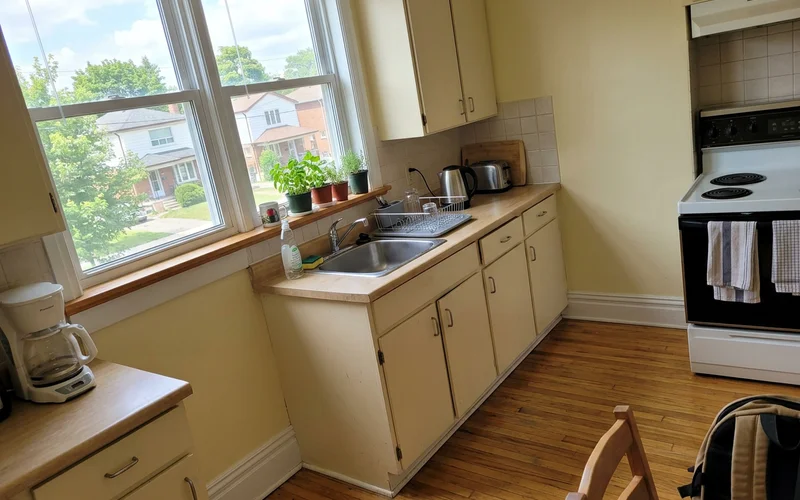
You may come across the term Diogenes syndrome while researching. It is sometimes used to describe severe self-neglect and domestic squalor, often in older adults who live alone and decline help. It is not a formal diagnosis in the same way hoarding disorder is, and people use it loosely. The more useful point is this: squalor often grows from things like depression, physical illness, grief, cognitive changes or simply being overwhelmed for a long time. It is not about character. Our crews never diagnose anyone and never ask why. We just clean the home with respect. Whatever the label, help does not require one: our guide on squalor cleanup without a diagnosis explains how a private cleanup works.
No labels needed
You do not need a diagnosis, referral or explanation to book. Many squalor clients book for themselves.
Different Crews, PPE and Pricing
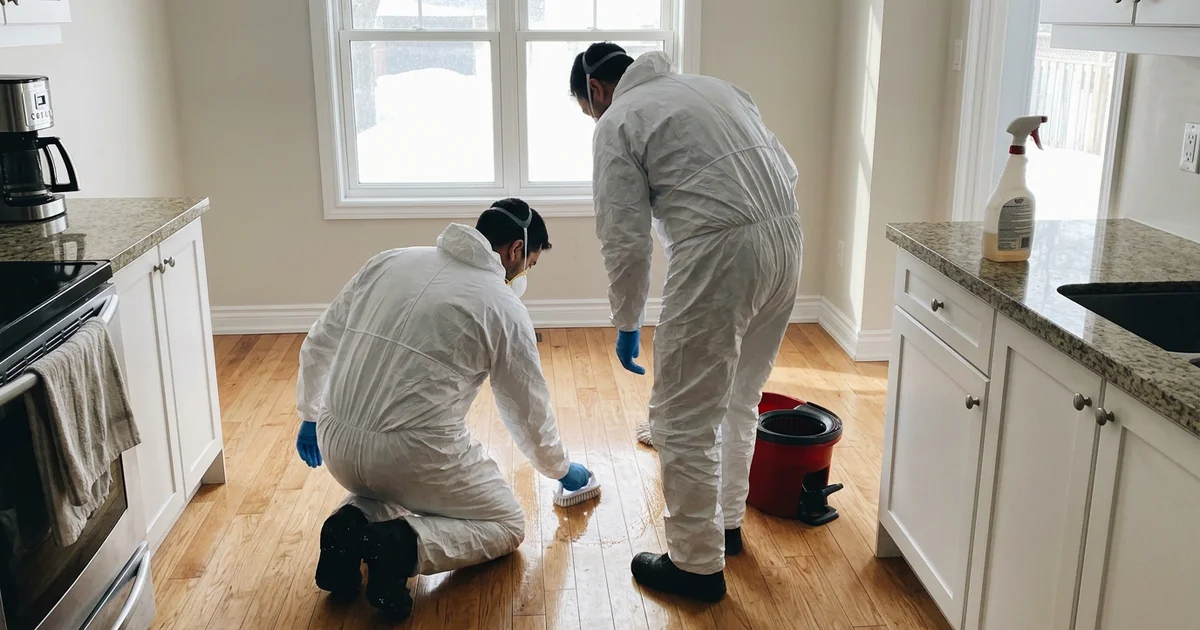
Hoarding cleanups spend most of their time sorting. The crew lead sits with the person, item by item, and hauling and cleaning follow. Squalor cleanups spend most of their time decontaminating. Crews work in full PPE, remove spoiled food and waste, degrease and steam-clean surfaces floor to ceiling, find and remove odour sources and disinfect. Because there is less to sort, squalor jobs are often shorter, typically 1 to 3 days. The chemistry and equipment are what make them work.
When Both Apply
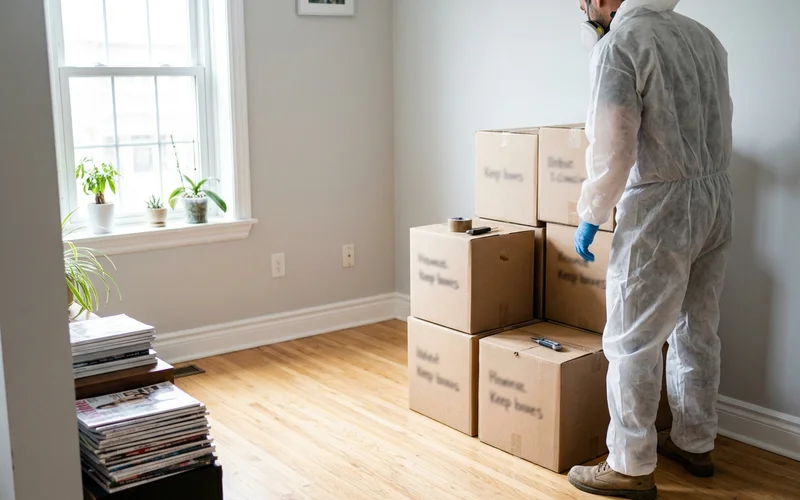
Many homes have a bit of both: a kitchen and bathroom in severe squalor, plus bedrooms and a basement full of belongings. In those cases, one scope covers both. We usually start with the squalor areas, because they carry the biggest health risks, then sort and clear the rest with the resident. Each part is priced separately so you can see what drives the cost. For homes where volume is the bigger issue, our whole-house hoarding cleanup page explains how that work is planned.
How to Tell Which You Need
Ask yourself two questions. Is the main problem that there is too much stuff to use the rooms? That points to hoarding. Is the main problem dirt, waste, odour or spoiled food, even where there is space? That points to squalor. If you are not sure, describe the home on the phone or send a few photos, and a crew lead will tell you honestly which service fits and what it would cost.