
Why This Is a Biohazard Job
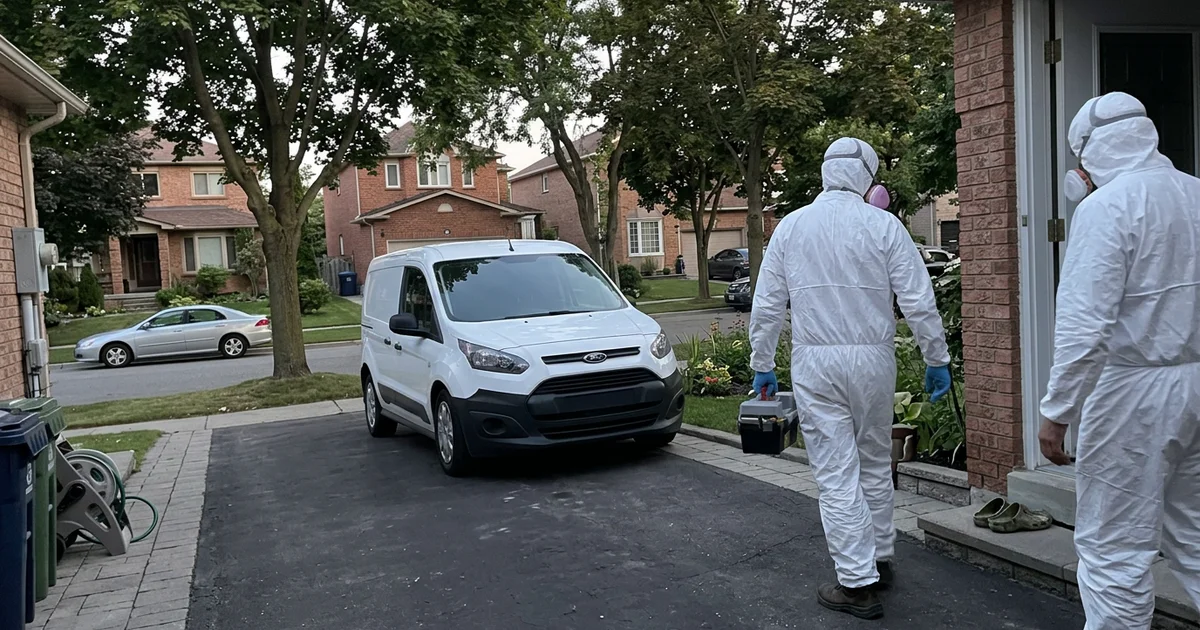
When someone dies at home and is not found for some time, the body begins to break down. Fluids leave the body and soak into whatever is beneath it: a mattress, a couch, carpet, hardwood, then subfloor and sometimes the joists or the ceiling below. Those fluids can carry bacteria and pathogens, and the compounds that cause the odour, putrescine and cadaverine, bind to porous materials. That is why an unattended death needs professional trauma scene cleaning, not just a deep clean. It is also why the smell does not go away with airing out or air fresheners.
If you are reading this because it has happened in your family, we are sorry. You do not need to understand all of this to make a call. But many families find it helps to know what will happen.
What Happens First
| Step | Who | What it means for you |
|---|---|---|
| Discovery and 911 | Family, neighbour, landlord | Police and paramedics attend |
| Coroner investigation | Office of the Chief Coroner | The body is removed, the home released |
| Release | Police or coroner | You can arrange cleanup |
| Assessment | Our crew lead | Scope, timeline and price in writing |
| Remediation | Our crew | 1 to 3 days for most homes |
You do not need to enter the home before we arrive. A key, a lockbox code or a meeting at the door with a family member or landlord is enough.
Subfloor and Structural Removal
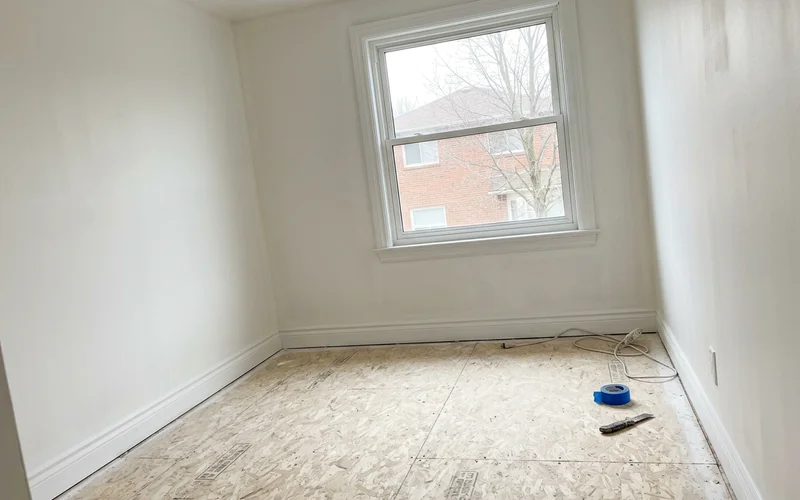
The visible stain is rarely the whole story. Our crew contains the area under HEPA negative air, then removes materials as far as fluids travelled: the mattress or furniture, carpet and pad, hardwood, then subfloor sections. If fluids reached joists, they are cleaned with enzyme digesters, disinfected and tested. Remaining structure is sealed with an encapsulating primer once it tests clean. In condos and apartments, we check whether fluids reached the unit below. This structural work is what stops odour coming back.
Timeline
Most unattended death cleanups take 1 to 3 days with a crew of 2 to 3. Recent incidents on hard flooring are at the shorter end. Longer time before discovery, more rooms affected or a second floor involved push the job longer. Odour treatment may continue for a day after the structural work. If flooring or drywall was removed, your trades can begin once we hand over.
Family Handling of Belongings
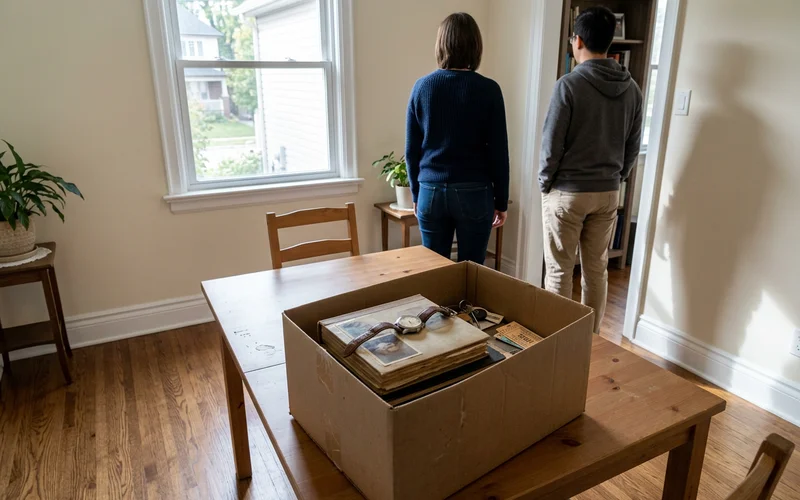
Personal belongings are handled with care. Before removal, we ask what matters: a watch, wallet, phone, photo albums, documents, religious items, a favourite sweater. Items outside the affected area are cleaned and boxed. Items inside the area that are non-porous can often be cleaned and returned. Items that absorbed fluids usually cannot be saved safely, and we photograph them before disposal so you have a record. Everything we set aside goes into labelled boxes for you, to collect whenever you are ready.
You set the pace
Some families want a walkthrough when the room is done. Others prefer photos, or nothing at all. Every choice is fine.
Cost and Insurance
Trauma scene cleaning in the Toronto area usually costs $2,500 to $7,500, depending mostly on time elapsed and how far fluids spread. Unattended deaths are sudden events, so many home and landlord policies cover them. We document everything before work starts and can speak with your adjuster directly. Executors handling an estate can usually pay from estate funds.
About the Odour
Families often worry the smell will never leave. When the source is properly removed and the structure treated and sealed, it does. Our guide on how death odour is removed explains the steps and why air fresheners and ozone alone do not work.
When you are ready, call. One crew lead will handle the coroner’s office, the adjuster and the landlord if there is one, so you can focus on your family.