
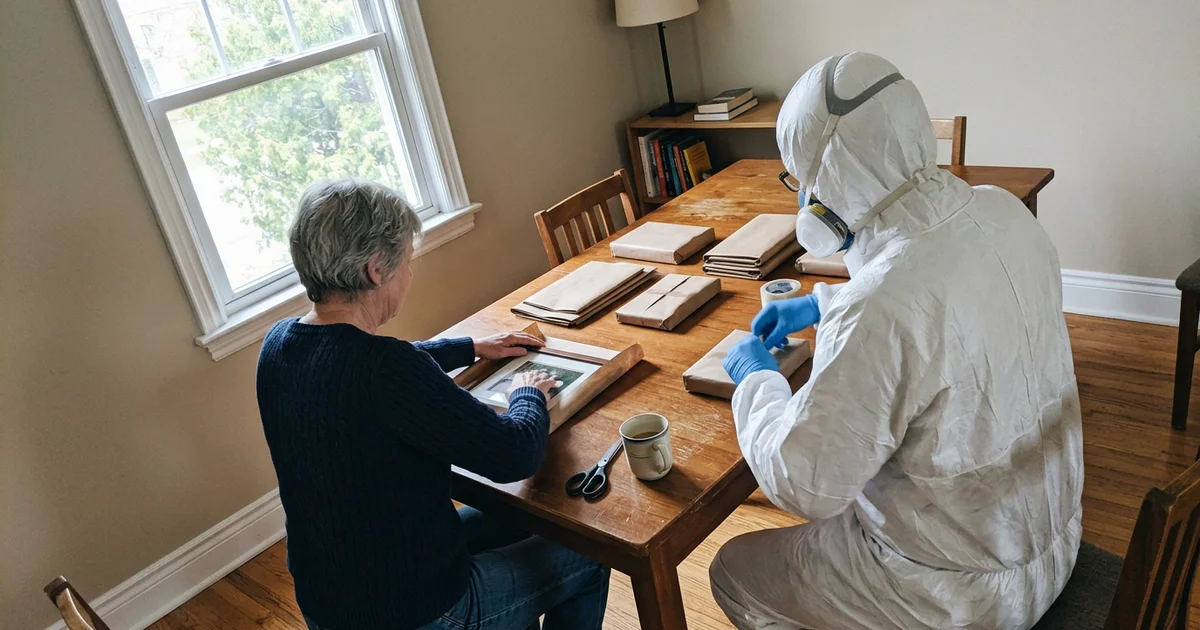
A Different Kind of Estate Cleanout: Clearing Parents House Long Term Care
Our team knows that clearing a parents house long term care is one of the hardest things families do. It is not grief in the usual sense, but it often feels like it.
A shift in perspective
The goal is to focus on what moves forward, rather than what gets left behind.
Your parent is leaving the place where they raised a family, and their life is about to fit into one room. We see this transition happen constantly across the GTA. When a bed offer comes from Ontario Health atHome, families typically have just 24 hours to accept and up to five days to move in.
This short notice adds immense pressure.
Our estate cleanout crews handle many of these exact moves each year. A practical step-by-step roadmap makes clearing the house much more efficient. The data tells us exactly how to approach this transition smoothly.
We will walk you through the process right now.
Step 1: Find Out What Can Move With Them
Before sorting anything, ask the care home what the room allows. Most rooms only fit a bed, a chair, a small dresser, and personal decor. We highly recommend measuring the room and the furniture first.
The 2026 Ontario long-term care guidelines recommend a 36-inch clearance for wheelchair access and a five-foot turning radius. You must ensure a favourite recliner does not block the required path for walkers or staff. Our crews use these exact measurements to map out a safe floor plan.
Knowing these strict limits turns an overwhelming question into a manageable one. A data-driven approach removes the guesswork from deciding what to keep. We always reference a standard checklist to keep families on track.
| Usually welcome | Usually not allowed or practical |
|---|---|
| Favourite chair or recliner, if it fits | Large furniture sets |
| Family photos and small artwork | Kitchen equipment and appliances |
| Quilt, blanket or bedspread from home | Space heaters, extension cords |
| Clothing for the season, labelled | Large collections |
| A small TV or radio | Valuables beyond a few personal items |
Step 2: Sort With Your Parent Present
Bring items to your parent rather than asking them to walk through a full house. Short sessions of an hour or two work much better than marathon days. Our crew lead keeps the pace gentle and mediates between family members.
Start with the items going to the care home, because that feels like moving forward. Moving onto family keepsakes and donations is easier once the essentials are chosen. We make sure nothing of value gets lost during these emotional sorting sessions.

You can significantly lower their stress by focusing on their immediate comfort. Geriatric psychology studies show that maintaining a sense of control over their new environment reduces move-in anxiety. Our experience confirms that setting up the new room first provides instant relief for everyone.
Make the new room feel like home
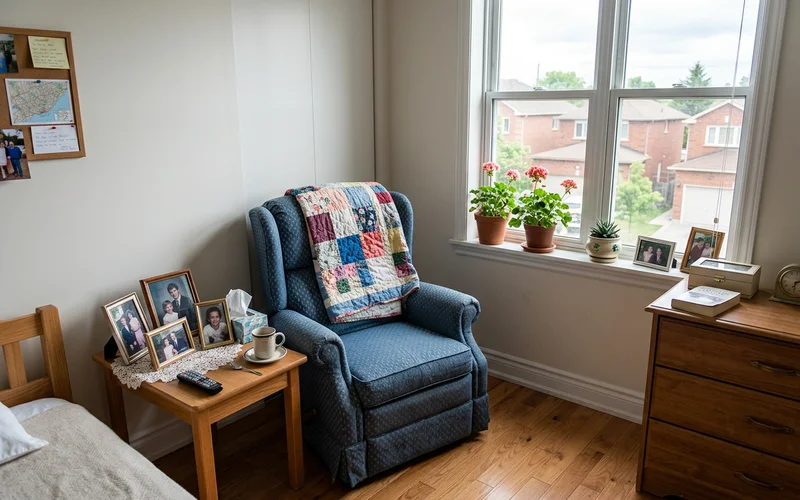
A familiar quilt, a favourite chair and a few photos placed before your parent arrives make a big difference on the first night.
Step 3: Family, Donation and Disposal
Once your parent has chosen what moves, family members choose keepsakes using labels or a shared list. We handle the physical logistics of getting these heavy items to the right places. Usable furniture, clothing, books and housewares then go to local charities.
Toronto currently has an estimated 30,000 people facing furniture poverty. Our guide on where donated items go explains how we route them to those in need.
- Book early: Wait times for charities like the Furniture Bank run up to a week in 2026.
- Provide updates: Your parent may find comfort in knowing exactly where their belongings went.
- Use professional help: We ensure what cannot be donated is recycled or disposed of with proper records.
Booking a charity pickup early prevents a last-minute scramble. You must coordinate these dates carefully around the final house cleaning. Our team manages these exact timelines every single day.
Step 4: Prepare the House for Sale or Rental
Once contents are out, the house may be sold to pay for care, rented, or kept for now. An empty home requires immediate attention to protect its value and satisfy legal requirements. We clean top to bottom, treat any odours, and note repairs for the realtor.
- File the tax declaration: Toronto homeowners must file the 2026 Vacant Home Tax declaration.
- Avoid penalties: The city charges a 3 percent penalty on the assessed value of properties left empty for more than six months without an exemption.
- Stay secure: We ensure the physical property is winterized and ready while you handle the paperwork.
Missing this deadline on a one-million-dollar home results in a thirty-thousand-dollar bill. Insurance companies often void coverage if an empty house goes unmonitored. Our staff conducts regular checks to satisfy policy requirements and prevent disaster.
Regular monitoring stops small issues from becoming expensive repairs. Handing over the keys happens only when the home is fully prepared and compliant. We take care to deliver a pristine property to the market.
A Realistic Timeline
Short-notice placements can be compressed into a week or less. A larger crew focuses first on what moves with your parent. Our standard schedule adapts to the specific urgency of your situation.
- Weeks 1-2: Care home details confirmed, assessment, written scope, sorting sessions with your parent.
- Week 3: Items packed and delivered to the care home, family keepsakes collected.
- Week 4: We route donations, clear the house, and hand keys to the realtor.
Ontario Health atHome guidelines typically grant just five days to complete a crisis move-in. You have to act fast when the initial bed offer arrives. We coordinate the heavy lifting so you can focus on supporting your parent.
This timeline changes dramatically if the long term care move cleanout happens under crisis conditions. Prioritizing the essential medical and personal items becomes the only goal during a rushed placement. Our crews adjust the pacing to ensure nothing important is left behind.
Paying for It
When a parent is living, costs are usually paid from their own funds or by family. Ontario long-term care basic accommodation costs increased to 70 dollars per day in July 2026. Our written scope makes the cleanout cost completely clear before any work begins. Our guide to estate cleanout cost in Ontario breaks down typical price ranges.
Keep a paper trail
Always retain detailed invoices and receipts for cleanout services. These documents are vital for the Power of Attorney when settling the estate and proving that funds were spent responsibly.
We provide transparent documentation to satisfy all legal and financial requirements. If someone holds power of attorney for property, they may manage these everyday expenses. You must keep the itemized invoice and records to help if the estate is settled later.
Our administrative support takes one more difficult task off your plate. Proper records protect the family from internal disputes down the road. A downsizing parent home toronto project requires careful financial tracking.
We are ready to help you manage this transition with respect and efficiency. Getting started early is the best way to handle clearing parents house long term care requirements safely.
Reach out today to schedule a consultation and get a clear plan in place.