
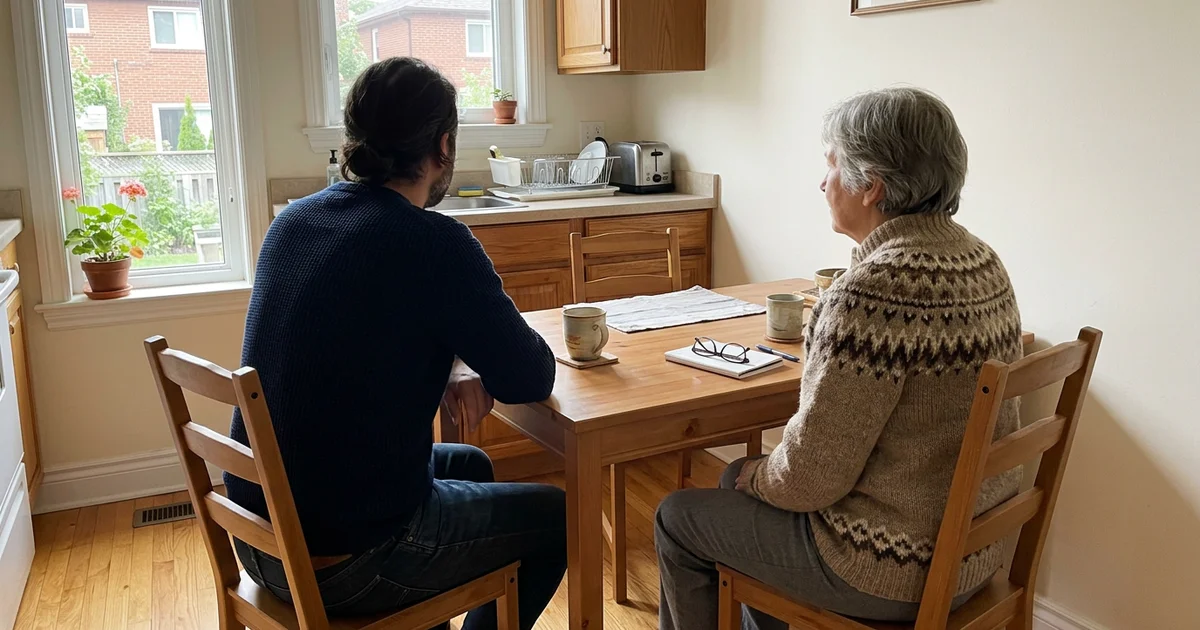
Start With the Relationship, Not the Stuff
The first conversation about hoarding is the one most families dread. You love this person. You are worried about their safety. And you know that one wrong word could close the door for months. That fear is reasonable, because shame is what keeps hoarding hidden. The good news is that a few changes in approach make a real difference, and families who use them have far calmer conversations. At every step, the goal of zero-judgment hoarding cleanup is the same as yours: a safe home and a relationship that survives the process.
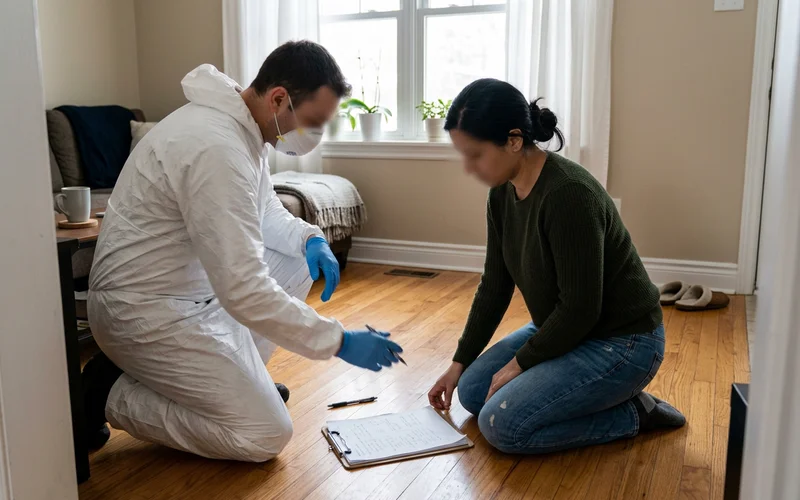
Before you say anything, decide what you want from the first talk. It is not a promise to clean the house. It is usually something smaller: permission to come back, agreement on one safety step, or a yes to meeting someone who can help. Small goals keep the pressure low.
Words to Use and Words to Avoid
Language carries a lot of weight here. People who hoard usually feel judged already, so neutral, respectful words lower the temperature quickly.
| Instead of | Try |
|---|---|
| “This place is a disaster.” | “I’m worried about you getting hurt on the stairs.” |
| “You need to throw all this junk out.” | “Can we make a clear path to the bathroom together?” |
| “You have a serious problem.” | “It seems like letting things go has been really hard lately.” |
| “If you don’t clean up, I’m calling the city.” | “I’d like us to fix this before anyone else gets involved.” |
| “Why would you keep this?” | “Tell me about this one. What makes it important?” |
Use their words for their belongings. If your father calls it “my collection”, call it that too. If your sister says “my papers”, say papers. It signals respect, and respect makes people more willing to make decisions.
Safety before stuff
Talk about exits, the stove, the furnace and the bathroom. Those are hard to argue with. Volume, appearance and what the neighbours think are easy to argue with.
Listen First, Then Offer Choices
Ask open questions and let the answers run. “How are you finding the house these days?” “What’s been hardest?” Many people who hoard have a story about loss, illness or a hard stretch of life that explains a lot. You do not need to fix it in one conversation. You need them to feel heard.
Then offer choices instead of instructions. “Would you rather start with the kitchen or the hallway?” “Do you want me there when someone comes to look, or would you prefer to meet them alone?” Choices keep control with the person, and control is often the thing they fear losing most.
Keep consent central. Nothing should be removed without the person’s agreement, and your loved one should know that from the start. Saying it out loud, “nothing goes without your yes”, often changes the whole conversation. Our senior hoarding cleanup work is built around exactly that promise.

When to Involve a Doctor or Case Worker
Some situations cannot wait for a slow, gentle process. Involve professionals if:
- Exits are blocked or there has already been a fire or fall
- There is waste, rotting food, pests or a strong odour
- Your loved one seems confused, unwell or unable to look after themselves
- A landlord, condo board or the city has issued a notice or Property Standards Order
- A hospital discharge depends on the home being made safe
A family doctor can assess health and capacity and make referrals. In Toronto, community agencies and case workers who know hoarding can help plan support. If a cleanup is needed, a crew that mediates rather than hauls makes it easier for everyone.
If the First Talk Goes Badly
It happens. Your loved one may get angry, cry or ask you to leave. Do not argue, and do not try again the same day. Say you love them, that you are not going anywhere, and that you will talk again when they are ready. Then follow through. Most families need two or three conversations before anything moves.
Once there is a first yes, the next step is planning with the wider family. Our guide to a family intervention plan covers how to share roles, set sorting rules and keep siblings on the same page. And if it would help for someone neutral to speak with your loved one, our crew lead can meet them first, with no pressure and no paperwork.