If someone you love is struggling with hoarding, you have probably already discovered how hard it is to know where to start. Is this a health problem, a safety problem, a family problem or a housing problem? In Toronto, the honest answer is often “all four”, and different people help with different parts. This guide pulls together the main places families turn, in the order most people find useful.
1. Health: The Family Doctor Comes First
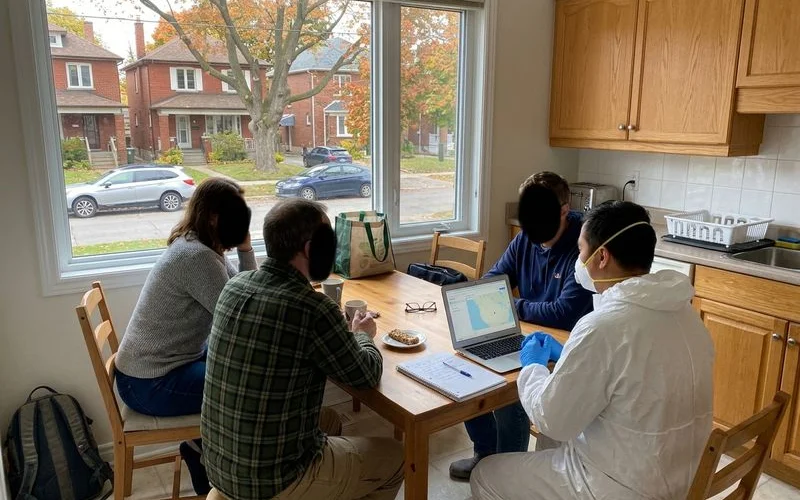
Hoarding disorder is a recognized mental health condition, and the family doctor is usually the best first contact. They can look at mood, memory and physical health, and refer to mental health services, including therapists who use cognitive behavioural therapy designed for hoarding. If your loved one does not have a doctor, Health Connect Ontario at 811 can give nurse advice and help find care.
For older adults, doctors can also help with questions about capacity, which matter if you are worried a parent can no longer make safe decisions about their home.
2. Community Supports and Case Workers
| What you need | Where Toronto families start |
|---|---|
| Find local mental health and community programs | 211 Ontario (call 211 or visit 211ontario.ca) |
| Support for an older adult at home | Ontario Health atHome home and community care |
| A loved one in crisis right now | 9-8-8 Suicide Crisis Helpline, or 911 in an emergency |
| Concerns about health hazards in a home | Toronto Public Health |
| Support groups for people who hoard and families | Community health centres and agencies, found through 211 |
| Help after a hospital stay | The hospital discharge planner or social worker |
Many Toronto agencies now run hoarding-specific programs, and some offer separate groups for family members. Services change over time, so 211 is the most reliable way to find what is available near you right now.
You are allowed to need support too
Family members of people who hoard often carry years of worry and conflict. A family support group or your own counsellor is not a luxury.
3. Housing and Legal: When the City or a Landlord Is Involved
If a Toronto Property Standards Order has been issued, or a landlord has served a notice, time matters. A Chapter 629 order usually gives 7 to 30 days. Tenants facing Landlord and Tenant Board action should get advice from a community legal clinic or a licensed paralegal. Landlords should do the same before serving notices. Our guides cover the signs that a loved one needs hoarding cleanup help and the urgency levels that go with them.
4. Talking With Your Loved One
None of these resources work well if the person feels ambushed. Start with the relationship, focus on safety rather than volume, avoid labels and offer choices. Our guide on how to approach a loved one who hoards has the words that help and the ones that hurt.
5. Practical Help With the Home
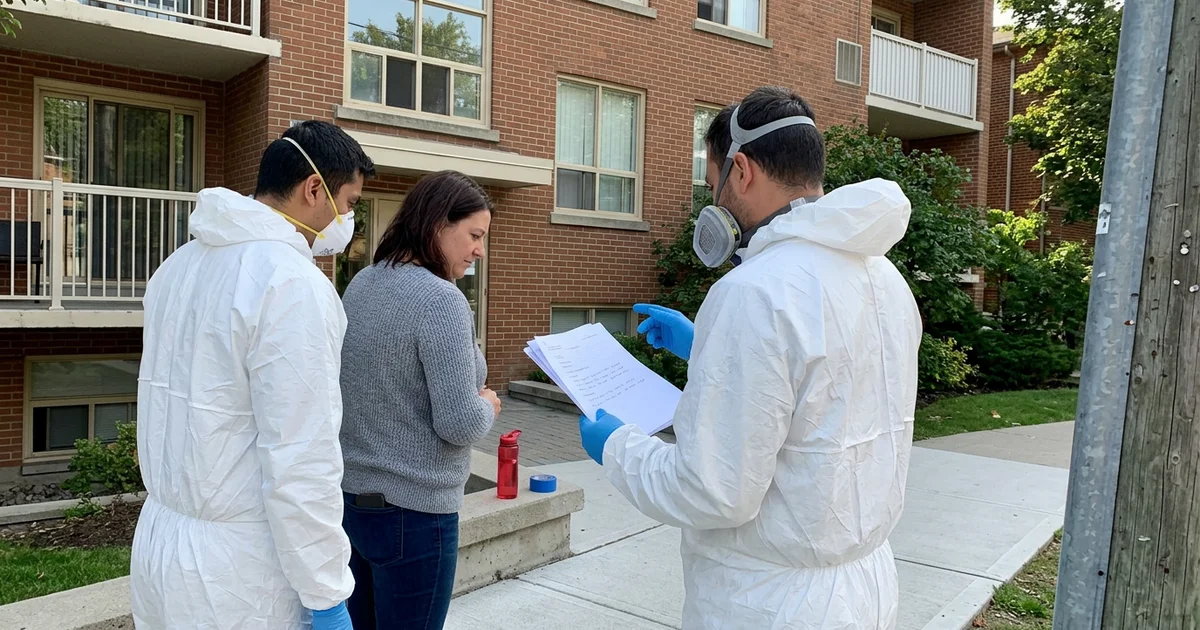
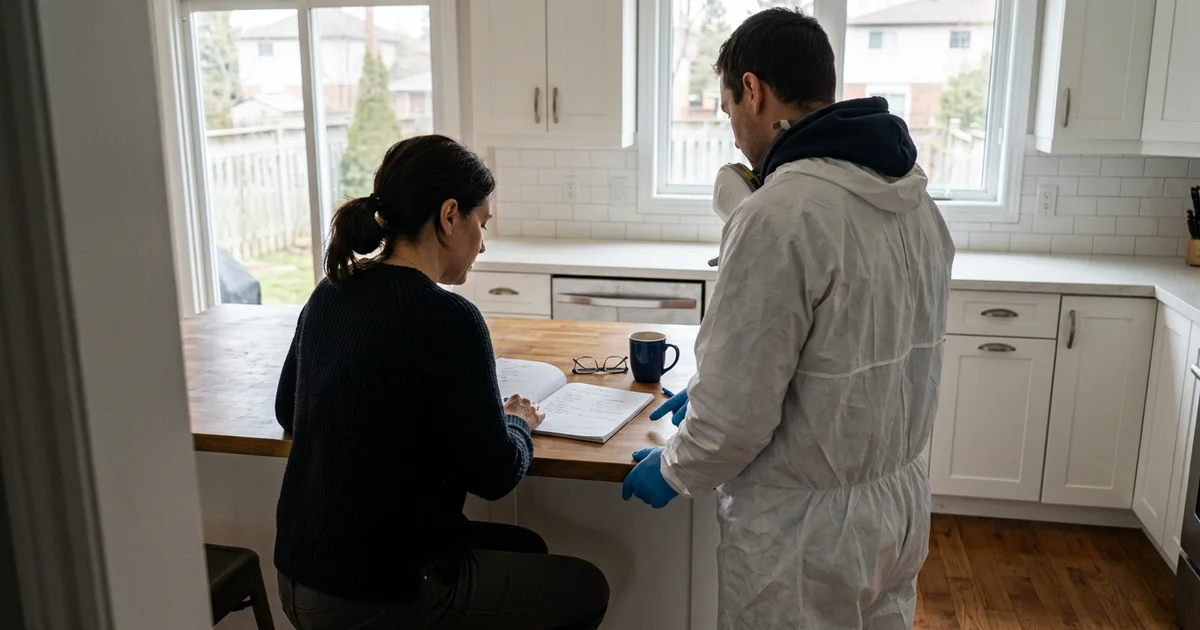
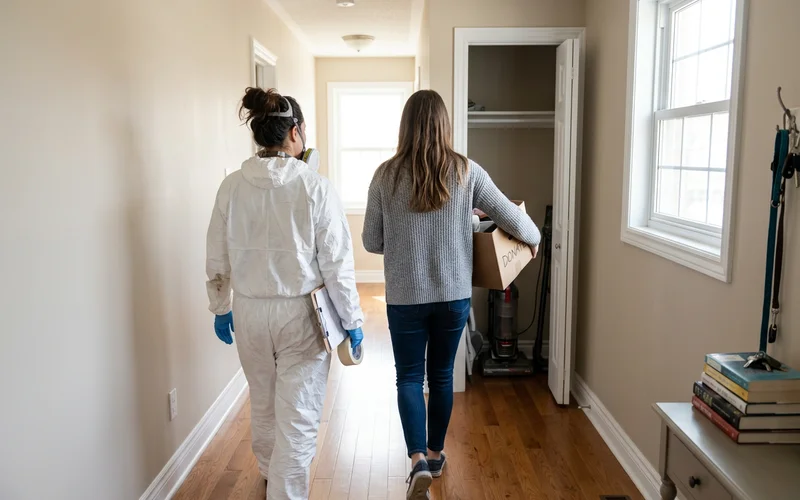
At some point, most families need hands-on help: clearing exits, making a kitchen and bathroom safe, dealing with pests or mold, or meeting a deadline. That is where a hoarding cleanup crew comes in. The right crew works with the person, not around them. Look for:
- Unmarked vehicles and quiet arrival
- Sorting every item with the person into keep, donate or discard
- IICRC S540 certification and proper biohazard disposal
- A written, itemized price before work starts
- Willingness to coordinate with doctors, case workers and discharge planners
Putting It Together
A good plan usually looks like this: health support starts, the family agrees on a gentle approach, a cleanup makes the home safe at a pace the person can accept, and follow-up keeps it that way. Not every family manages every step in order, and that is fine. Any one of them is progress.
Ready to talk about the home itself? Learn how a whole-house hoarding cleanup works, or call us any time for a private, no-pressure conversation.