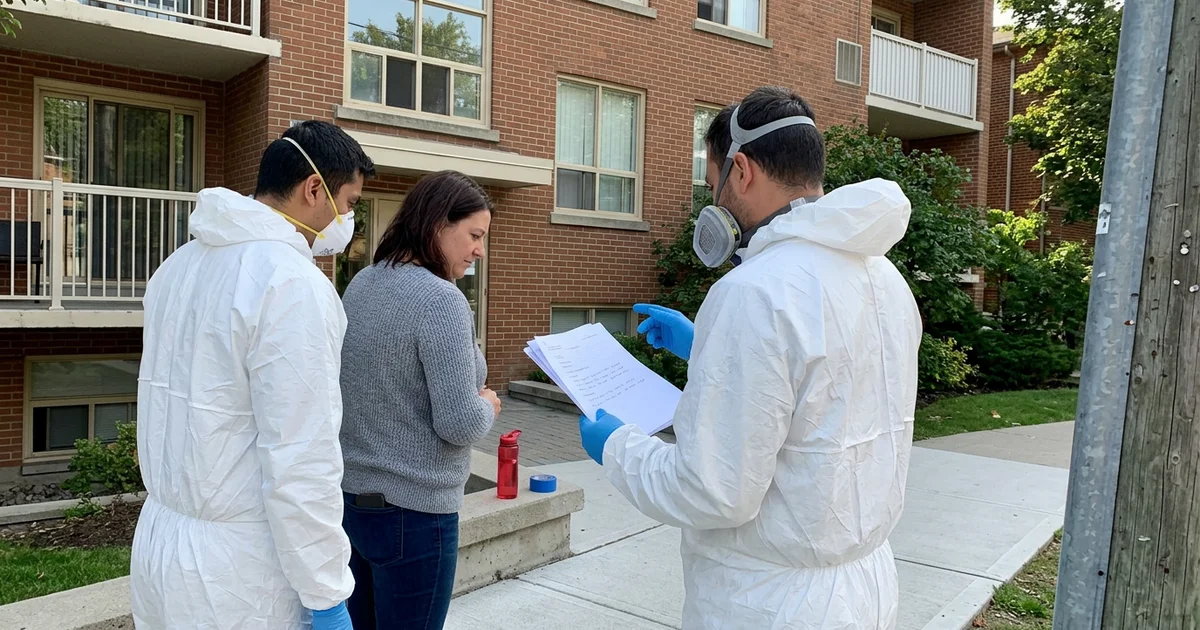
Hoarding in a rental unit puts a Toronto landlord in a tricky spot. The building has to stay safe and meet city standards. Other tenants deserve a home without pests or odour. And the tenant who hoards still has strong rights under Ontario law, often while dealing with a mental health condition. This post is an overview of the rules that shape these situations. It is general information, not legal advice, so speak with a paralegal or lawyer before acting on any specific case.
The Three Sets of Rules That Apply
| Rule set | Who enforces it | What it means for hoarding |
|---|---|---|
| Toronto Municipal Code Chapter 629 (Property Standards) | Municipal Licensing & Standards | Waste, vermin, blocked exits and unsanitary conditions can lead to an order against the owner |
| Ontario Fire Code | Fire services | Combustible accumulations and blocked egress can lead to fire orders |
| Residential Tenancies Act | Landlord and Tenant Board | Governs entry, notices, repairs, damage claims and evictions |
The first two put duties on the owner. The third shapes how the owner can respond when a tenant’s unit is the source of the problem.
Property Standards Orders Land on the Owner
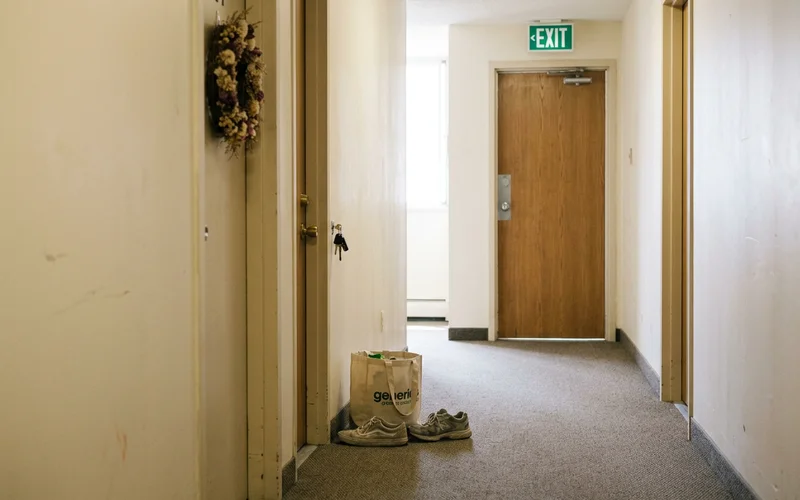
When Municipal Licensing & Standards inspects a property and finds Chapter 629 violations, the order is issued to the owner, even if a tenant caused the problem. Most orders give 7 to 30 days. If the work is not done, the city can arrange it and charge the owner, often far more than a private cleanup. Owners can appeal to the Property Standards Committee within the time stated on the order. Our PSO compliance guide walks through each step from notice to sign-off.
The deadline does not wait for the tenancy
Even while you work through tenancy issues, the order’s clock is running. Plan both tracks at once.
What the Residential Tenancies Act Allows
Landlords must keep units in good repair and meet health and safety standards. Tenants are responsible for ordinary cleanliness and for damage they cause beyond normal wear. In practice:
- Entry. Landlords must give proper written notice, usually at least 24 hours, for a valid reason such as inspection or repairs.
- Belongings. A tenant’s possessions remain theirs. Landlords cannot remove them without agreement or a legal process.
- Notices. When hoarding causes damage or seriously interferes with others, a Form N5 may apply, which gives the tenant a chance to fix the problem. Our guide on LTB Form N5 and tenant hoarding explains how it works.
- Damages. Landlords may seek compensation at the LTB for undue damage, with good evidence.
- Eviction. Only through the LTB. Changing locks or clearing a unit without an order is not allowed.
Human Rights Considerations
Hoarding is often linked to a mental health condition. Ontario’s Human Rights Code requires housing providers to accommodate tenants with disabilities up to the point of undue hardship. In practice, that often means giving reasonable time, connecting with supports and offering a cleanup plan before moving toward eviction. A legal advisor can explain how this applies to your situation.
A Practical Approach That Usually Works
- Inspect with proper notice and photograph what you find.
- Talk with the tenant, calmly and in writing, about specific safety issues.
- Get legal advice before serving any notice.
- Offer a hoarding cleanup with the tenant involved in sorting.
- Coordinate pest control across affected units.
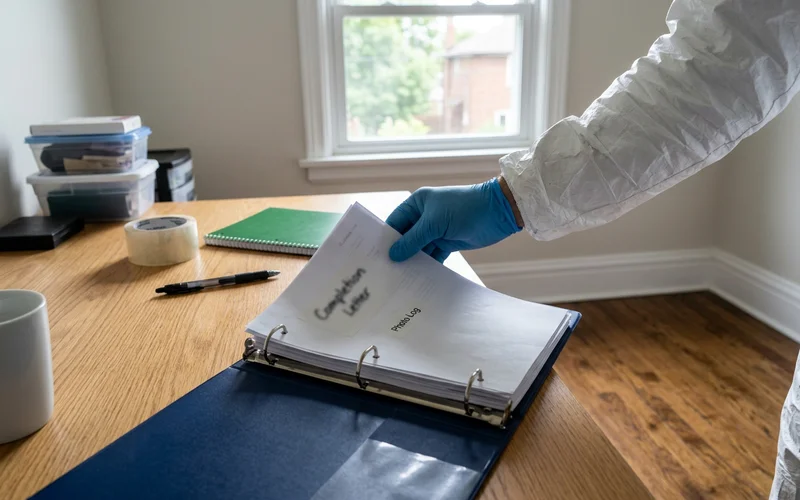
- Keep records: notices, photos, scope, invoices, disposal records and the compliance letter.
Landlords who follow this approach usually resolve the situation without a hearing, and when a hearing is needed, they arrive with clear evidence.
Facing an order or a hoarded unit now? Our landlord and property manager hoarding response assesses within 24 hours and includes the compliance letter with every cleanup.