Mental Illness Awareness Week runs from October 4 to 10, 2026, and it is a good moment to talk plainly about something our hoarding cleanup crews see every week in Toronto homes: hoarding is a mental health condition, not a character flaw. People who hoard are not lazy or careless. Many are coping with anxiety, depression, grief, trauma, ADHD or the slow isolation that can come with age. Families who understand that tend to get much further, much faster, and with far less pain on both sides.
This post is a plain list of where to turn in Toronto, written for the person who hoards and for the people who love them.
Start With the Family Doctor
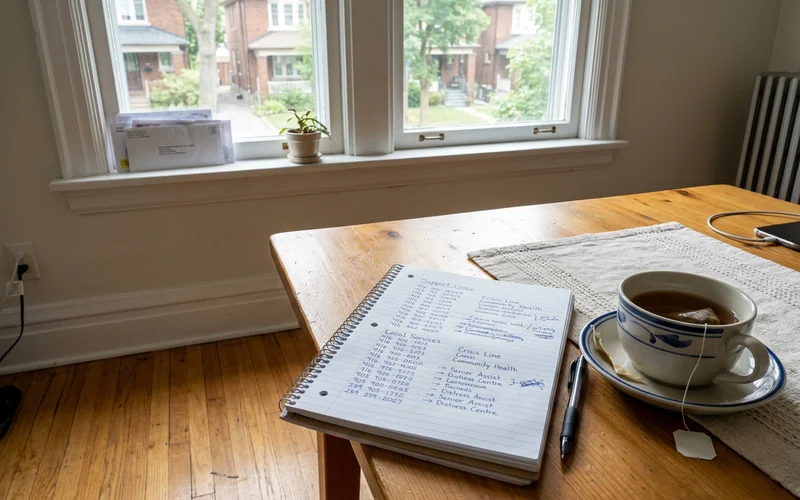
For most people, the best first step is a family doctor or nurse practitioner. They can check physical health, look at mood and memory, and refer to mental health services. If your loved one does not have a family doctor, walk-in clinics and Health Connect Ontario can help. Doctors can also help when there are questions about capacity, which matters if a family is worried an older parent can no longer manage safely.
Toronto Supports Worth Knowing
| Need | Where to start |
|---|---|
| Immediate crisis or suicidal thoughts | Call or text 9-8-8, or call 911 in an emergency |
| Finding local community and mental health services | Call 211 Ontario or visit 211ontario.ca |
| Health advice from a nurse, any time | Health Connect Ontario at 811 |
| Ongoing therapy | Family doctor referral; ask about CBT for hoarding |
| Older adults needing support at home | Ontario Health atHome (home and community care) |
| Public health concerns in a home | Toronto Public Health |
| Family and peer support | Hoarding support groups and family programs through community agencies |
Many Toronto community agencies and health teams now recognize hoarding, and some run groups for people who hoard and separate groups for family members. 211 Ontario is the easiest way to find what is current near you.
A note on treatment
Cognitive behavioural therapy designed for hoarding has the strongest evidence. It helps people practise making decisions about belongings and tolerate the discomfort of letting go. Ask the doctor specifically about hoarding-focused CBT.
For Families: What Helps and What Hurts
What helps is patience, curiosity and a focus on safety. Ask how your loved one is coping. Talk about clear exits, a working kitchen and a safe bathroom rather than the volume of things. Offer choices. Keep visiting. Our guide on what hoarding disorder is is a good place to start if you are new to this.
What hurts is shame. Harsh words, ultimatums, surprise clearouts and threats to call the city tend to push people further into hiding. Forced cleanouts often refill within a year. That is not because people do not care; it is because the condition was never addressed.
When Mental Health Affects the Home
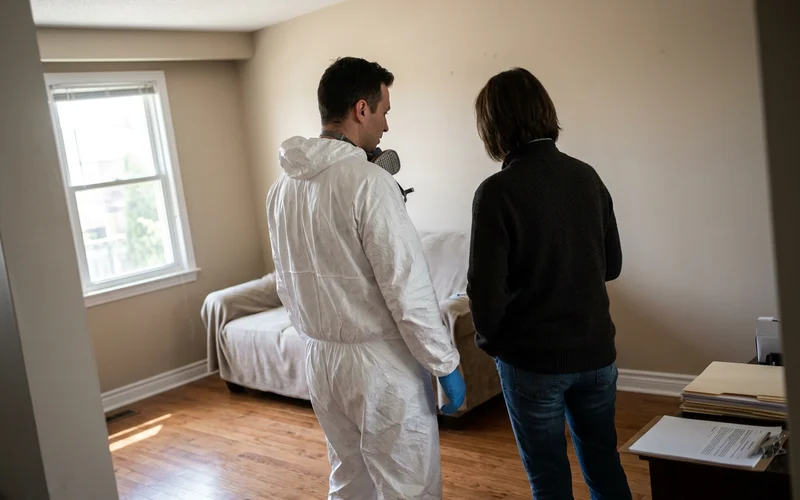
Sometimes the home itself becomes part of the crisis. After a long depressive episode, a hospital stay or a hard winter, a space can slip until it feels impossible to face. That is common, and it is fixable. Our guide on extreme cleaning after a mental health crisis describes how a zero-judgment reset works, at the resident’s pace, with no labels and no lectures.
When an older parent is involved, the cleanup often needs to fit around hospital discharge plans, home care visits and fall prevention. We work alongside case workers and discharge planners on those jobs, and the parent stays in charge of their belongings throughout.
Our Promise This Week, and Every Week
We will never use shame words about a person or their home. We will never post photos of anyone’s belongings. We arrive in unmarked vehicles, sort every item with the person and their family, and put the plan and the price in writing first. If you or someone you love is struggling, reaching out for mental health support and reaching out for help with the home are both brave steps, and you can take them in either order.
Worried about a parent’s home? Read about our senior hoarding cleanup approach, or call us any time to talk it through privately.