

What Hoarding Disorder Actually Is
Hoarding disorder is a recognized mental health condition in which a person has persistent difficulty letting go of possessions, whatever their value, because discarding them causes real distress. Over time, items fill living spaces until rooms can no longer be used for what they were built for. If you are searching this because a parent, sibling or partner’s home is becoming unsafe, you are not alone, and nothing about it is a moral failure.
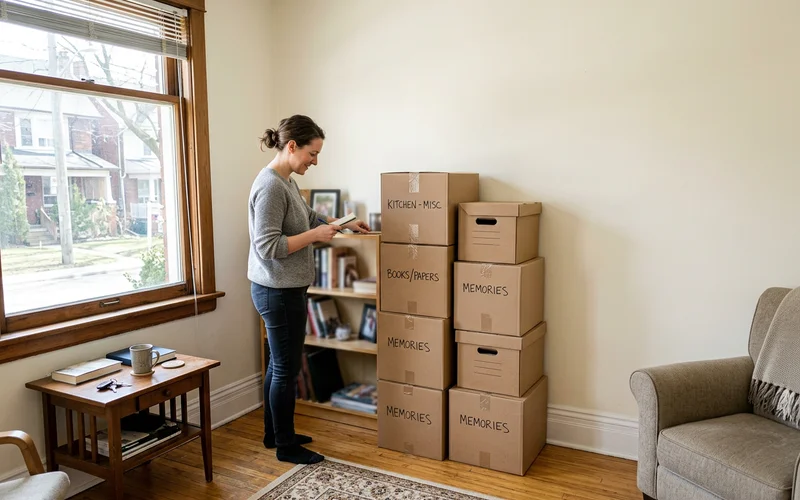
The American Psychiatric Association added hoarding disorder to the DSM-5 in 2013 as its own diagnosis, separate from obsessive-compulsive disorder. That change matters. It means doctors, case workers and therapists treat it as a health issue with known patterns and effective treatments. It also means families can stop asking “why won’t they just clean up?” and start asking better questions. When the home reaches the point where it needs hands-on help, a crew trained in hoarding cleanup in Toronto can work alongside the person and their supports rather than around them.
People with hoarding disorder usually show three things together:
- Difficulty discarding. Throwing items away, even worn or broken ones, triggers anxiety, guilt or grief.
- Strong urge to save. Items feel useful, sentimental or “too good to waste”, and decisions about them feel impossible.
- Cluttered living areas. Kitchens, hallways, beds and bathrooms fill until they cannot be used normally, unless someone else steps in.
The key difference
Clutter is a quantity of stuff. Hoarding disorder is the distress and decision-making difficulty behind it. Removing the stuff without addressing the distress rarely holds.
Hoarding vs Clutter vs Collecting
Plenty of homes are messy, and plenty of people collect things. Neither is hoarding disorder on its own. The table below shows how families and clinicians tend to tell them apart.
| Sign | Everyday clutter | Collecting | Hoarding disorder |
|---|---|---|---|
| Can rooms be used? | Yes, with some tidying | Yes | Often no |
| Feelings about discarding | Mild reluctance | Pride in the collection | Intense distress |
| Organization | Messy but manageable | Organized, displayed | Mixed piles, hard to sort |
| Effect on daily life | Small | Small | Safety, health and relationships affected |
| Response to help | Usually welcomes it | May decline politely | Often anxious, defensive or ashamed |
Hoarding often grows slowly. It may start after a loss, a divorce, a job loss or a health crisis, and it tends to worsen with age and isolation. Many people we meet have been quietly coping for ten or twenty years before anyone else sees inside the home.
Why Shame Makes Hoarding Worse
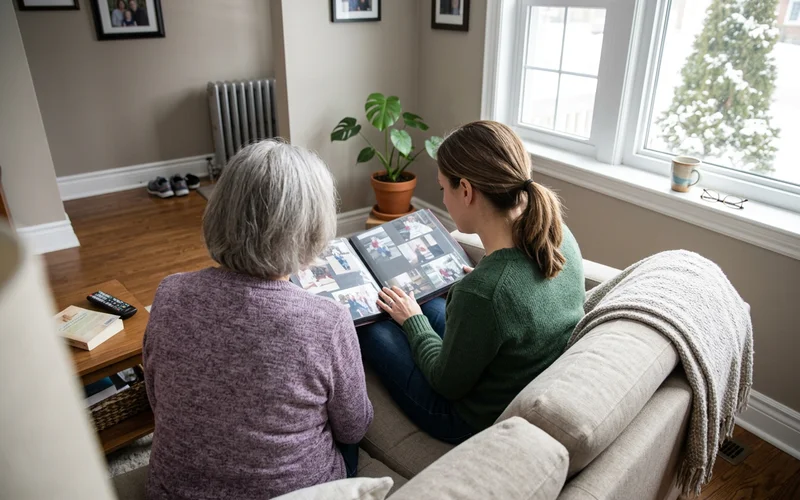
Shame is the biggest barrier we see. People who hoard usually know their home is not how they want it to be. Hearing harsh words like “junk” or “mess” confirms their worst fears and pushes them to hide the problem more carefully. Doors stay closed. Visitors stop coming. Repairs go unreported because nobody can be let in, which is how a small leak becomes rotted subfloor and mold.
What helps instead is a calm, practical focus on safety and choice. Talk about clear exits, a working kitchen and a safe bathroom rather than the volume of things. Ask what matters most to the person and protect it. Our guide on how to approach a loved one who hoards covers the words to use and the ones to avoid.
Professional support matters too. A family doctor can refer to mental health services, and in Toronto, community agencies and case workers who know hoarding can help plan the next steps. Cognitive behavioural therapy built for hoarding helps people practise making decisions about items and tolerate the discomfort of letting go.
When the Home Needs Hands-On Help
Treatment and practical cleanup work best together. If the home has blocked exits, pests, mold, odour, waste or a Toronto Property Standards Order on the door, the safety problem usually cannot wait for therapy to take effect. That is where a discreet, zero-judgment crew comes in. We sort with the person, not around them, and nothing leaves without a decision.
If you are not sure whether your loved one’s home has reached that point, a free discreet assessment is a low-pressure way to find out. A crew lead visits in an unmarked vehicle, listens first and gives you a written plan you can take back to the family, with no obligation to book anything.