Fall in the GTA has been getting wetter and less predictable. Heavier rain events, warm spells followed by sudden cold and more freeze-thaw cycles all push moisture into older foundations. For most homes, that means a damp corner or a musty smell. For homes where the basement is full of stored boxes, paper and fabric, it often means mold, and it tends to grow where nobody can see it until spring.
This is a short, practical look at why clutter and basement moisture are such a bad mix, especially in older Scarborough and Etobicoke homes, and what to check before November.
Why Stored Items Turn Damp Into Mold

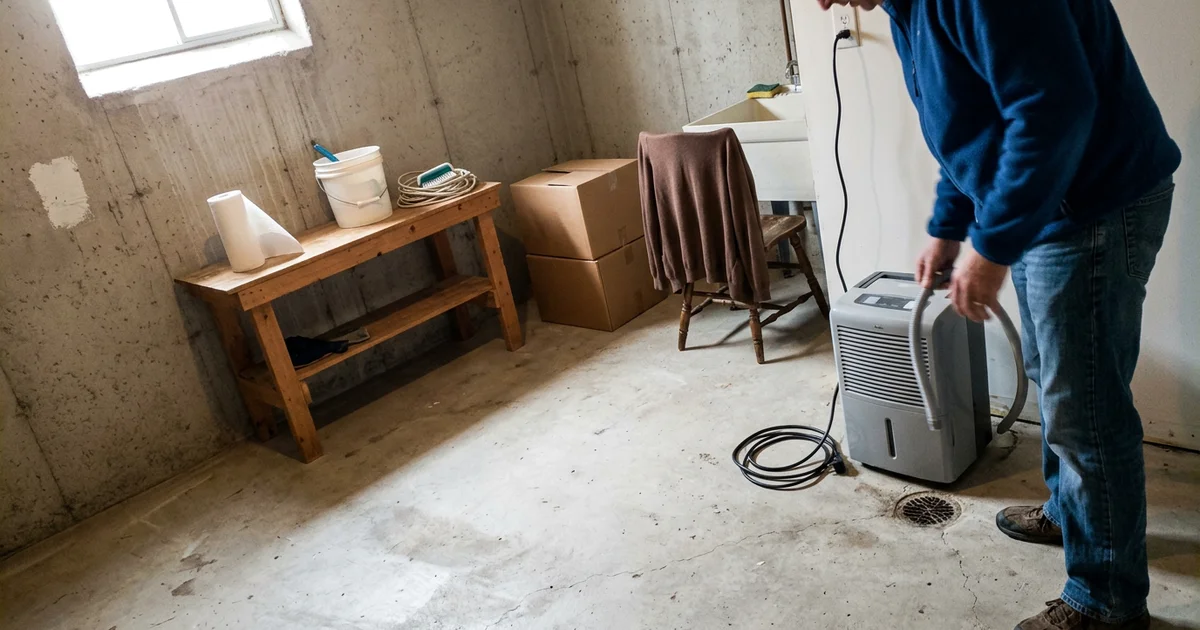
Concrete foundation walls stay cool. When warm, humid air meets them, moisture condenses. In an open basement, that moisture can dry out. When boxes, newspapers, clothing and furniture are stacked tight against the walls and floor, it cannot. Cardboard and paper soak it up like a sponge, and mold starts within days in the right conditions. Air does not move behind the piles, so the problem grows quietly.
Older homes make it worse. Many 1950s and 60s bungalows in Scarborough and post-war homes in Etobicoke have original foundations, aging weeping tile and unfinished floors. Lakefront areas like Mimico, Long Branch and the Bluffs add high water tables and lake humidity.
The sign people miss
If the basement smells musty but you cannot see mold, it is usually behind or under stored items. The smell is the warning.
What Is Different This Year
We do not want to overstate it. Every fall is different. But across our GTA jobs in recent years, we have seen more wet basements after heavy rain in September and October, and more homes where moisture got in during a warm spell and then froze in place. The pattern is consistent enough that we now check basement moisture on every fall assessment, even when the call is about something else.
A Short Pre-Winter Checklist
| Check | What to look for | Simple fix |
|---|---|---|
| Downspouts | Draining right next to the foundation | Extend them at least 1.5 metres away |
| Window wells | Leaves, debris, standing water | Clear them out, add covers |
| Sump pump | Not running or not tested | Pour water in the pit to test it |
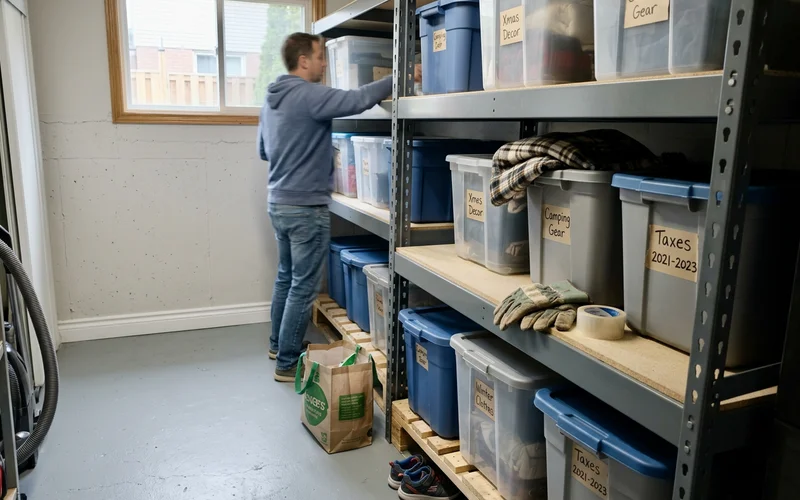
| Floor and wall gap | Boxes touching walls or floor | Pull items 15 cm off walls, onto shelving |
| Cardboard | Soft, stained or musty boxes | Replace with lidded plastic bins |
| Dehumidifier | None, or full and switched off | Aim for indoor humidity around 40-50% |
| Furnace room | Items stacked around the furnace | Keep at least a metre clear |
That last line matters for another reason too. Fall is when furnaces start running again, and paper and cardboard stacked around them are a real fire risk. Our guide on hoarding fire risk and the Ontario Fire Code explains why we always clear the furnace room first.
When to Call for Help
Call before you start moving things if:
- You can see mold on boxes, walls or furniture
- The basement smells strongly musty or the air feels heavy
- Boxes are wet, collapsed or stuck to the floor
- There are mouse droppings or signs of pests in the stored items
- An older parent’s basement needs clearing and they cannot safely use the stairs
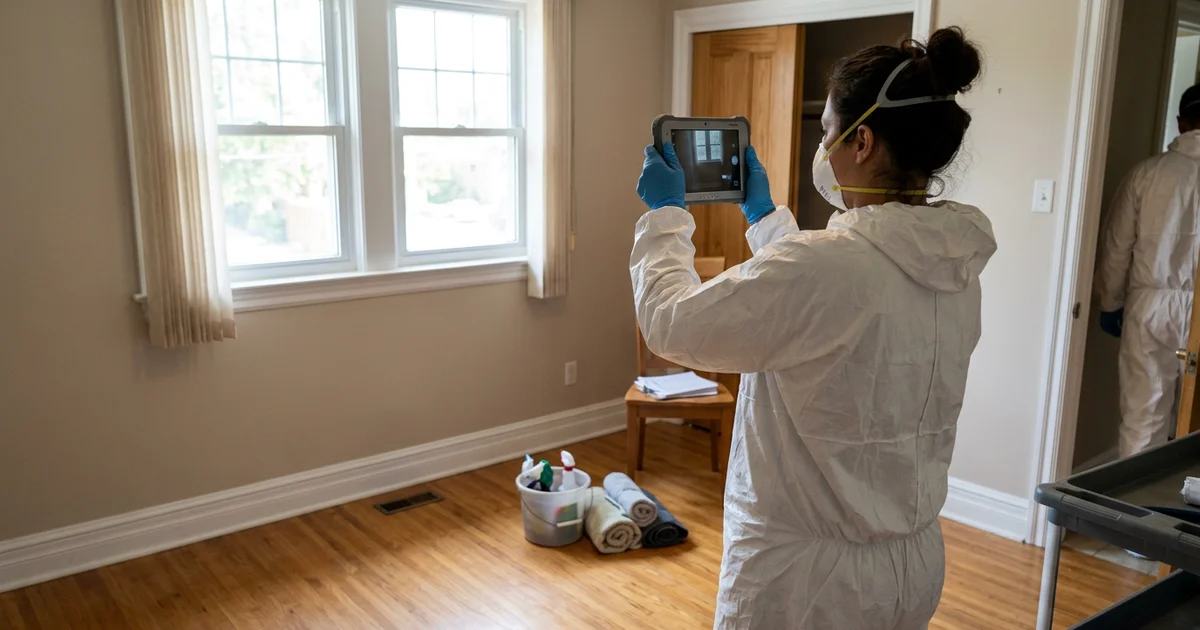
Disturbing mold spreads spores through the house. Our Toronto hoarding cleanup crews contain the area with HEPA negative air, sort the contents with the family, bag damp cardboard and fabric, clean and treat the concrete and note any leaks or drainage issues. If you have already found mold behind stored items, our guide on mold found behind clutter covers the next steps.
No Fear, Just a Plan
Most damp basements are fixable with simple steps and a few hours of clearing. The ones that need professional help are usually the ones that have been full for years. If that describes a home you are worried about, a free assessment before the first hard freeze is much easier than a flooded, frozen basement in February.
Need a basement cleared before winter? See how our whole-house hoarding cleanup handles basements, mold and furnace rooms safely.