
Why Insurers Flag Hoarded Homes
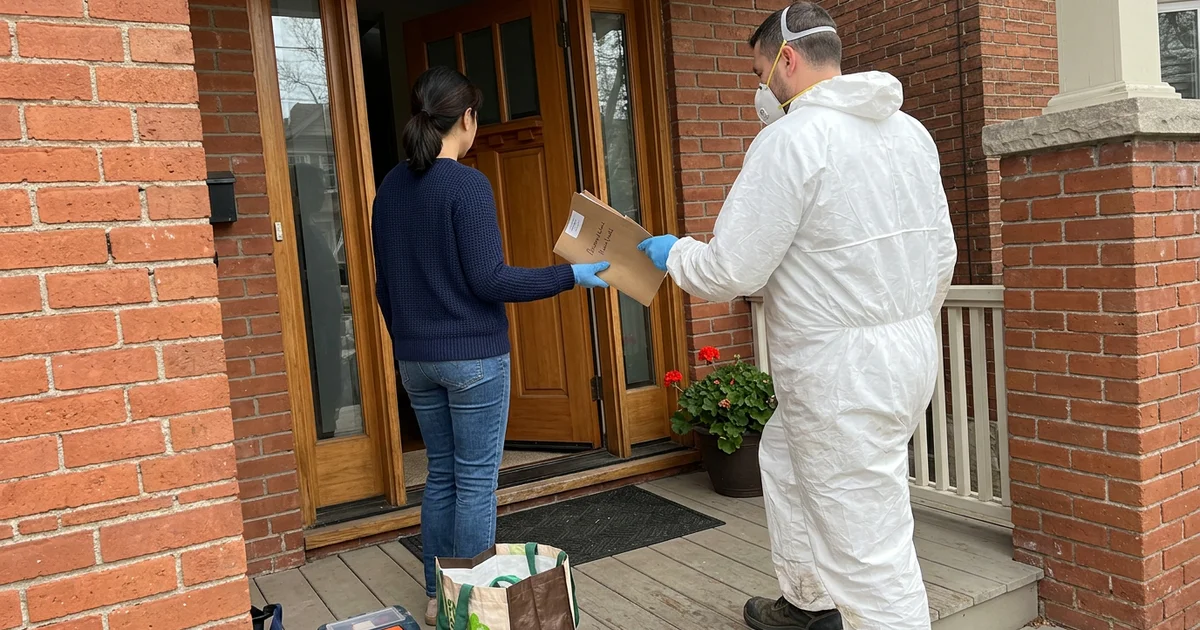
Insurers flag hoarded homes because excessive belongings create severe fire hazards, block emergency exits, and hide structural damage. We regularly speak with clients who had their home insurance denied hoarding being the official reason. Underwriters are simply following strict risk algorithms rather than judging your lifestyle. Home insurance premiums in Ontario rose by 4.2% in early 2026. This financial pressure makes insurance carriers highly risk-averse.
Our team focuses on clearing these exact hazards to satisfy the underwriter’s checklist. A targeted whole-house hoarding cleanup is the most reliable way to get your policy back on track.
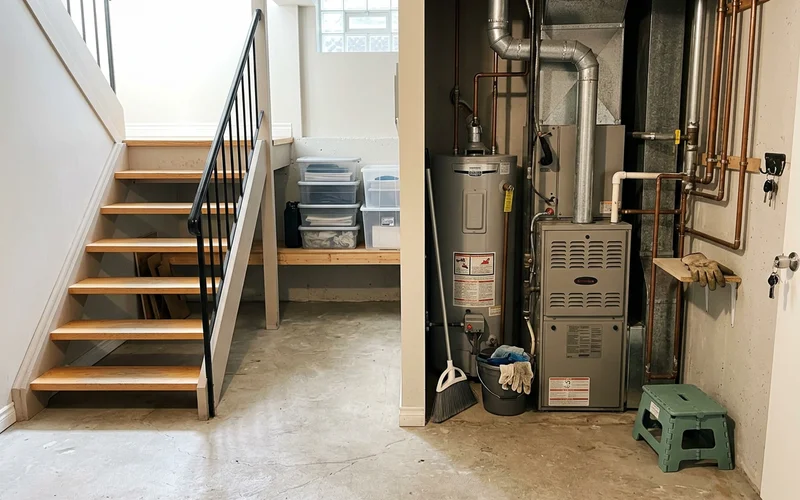
The specific issues that trigger a cancellation notice are heavily tied to safety regulations. We consistently see the same five hazards listed on inspection reports.
- Fire load. The Ontario Fire Code Article 2.4.1.1 (1) explicitly prohibits the accumulation of combustible materials. Large amounts of paper and fabric accelerate fire spread.
- Blocked egress. Blocked stairs and windows trap occupants and prevent firefighters from entering.
- Heating and electrical hazards. Items stacked against furnaces or electrical panels break the mandatory one-metre clearance rule.
- Hidden water damage. Clutter often conceals slow leaks. The Insurance Bureau of Canada reports that water damage is the leading cause of property claims.
- Pests and mold. Neglect in one area often signals deeper structural decay to an underwriter.
These requirements align closely with provincial safety standards. You can read more about these specific duties in our guide on hoarding fire risk.
What to Do in the First Week
In the first week, you must immediately read the non-renewal letter to find the exact termination date and contact your broker to request a timeline extension for repairs. We recommend asking your broker if a temporary extension is possible while professional repairs are underway. Guidelines from the Financial Services Regulatory Authority of Ontario dictate that insurers usually provide 30 to 60 days of written notice before a policy expires. This notice period gives you a tight but manageable window to take action.
Our coordinators advise against rushing into a chaotic weekend clear-out. A panicked DIY cleaning effort can stir up toxic mold spores or result in lost financial documents. It is much better to secure a written project scope from a certified contractor.
We always provide clients with a detailed completion plan to share with their broker. A concrete timeline shows the underwriter that the risk is being professionally managed. Some brokers can even arrange high-risk interim coverage through specialty markets while the home is being cleared.
Timing matters
Renewal deadlines in Canada strictly follow that 30 to 60 day legal notice window. This timeframe is completely sufficient for a successful reinstatement if you start planning the cleanup within the first week.
Documentation That Supports Reinstatement
Insurers require indisputable visual and written proof that every hazard has been removed before they will reinstate a policy. We compile a detailed evidence package designed specifically for the underwriter’s desk. Promises hold no weight in the insurance industry. Adjusters need verifiable data to justify reversing an insurance inspection clutter violation.
Our documentation process now utilizes advanced 3D spatial technology to prove compliance. Tools like Matterport scans create a digital twin of the cleared property. This technology provides an unalterable, time-stamped record of the exact dimensions and clearances achieved.
| Insurer concern | What we document |
|---|---|
| Fire load | Before and after photos, total volume removed, and official landfill weigh tickets |
| Blocked exits | Visual proof of clearance for every door, stairway, and bedroom egress window |
| Heating and electrical | Confirmed one-metre clearance around the furnace, water heater, and electrical panel |
| Water damage | Moisture readings, leak photographs, and professional repair recommendations |
| Pests and mold | Certified exterminator reports and detailed mold containment protocols |
The evidence package finishes with a formal completion letter outlining the work dates and our industry certifications. We hand this directly to your broker so they can forward it to the decision-makers.
Timeline vs Your Renewal Deadline
Most hoarding cleanups require three to seven days of active work once the scope is officially approved. We always ask for your exact renewal deadline during our very first phone call. This allows the crew to prioritize the specific hazards named in your insurance letter. Beating the underwriter’s deadline is the primary objective.
Our project managers closely coordinate the schedule to accommodate any necessary third-party treatments. A severe pest infestation will require specialized extermination services.
- Rodent treatments: Typically require bait station setup and ongoing monitoring.
- Bed bug heat treatments: Demand significant preparation time and a full day for the application.
- General insect spraying: Often adds one full day to the project timeline.
We can easily meet the insurance inspector on-site if the company demands a final walk-through. Having a professional present helps answer any highly technical questions about the remediation process.
Keeping Coverage After the Cleanup
To maintain your insurance coverage long-term, you must permanently resolve the underlying safety violations. We highly encourage families to schedule a maintenance visit a few months after the initial project. This follow-up generates fresh, time-stamped photographs in case the insurer requests another random audit. Preventative maintenance is the key to preventing an insurance cancelled hoarding ontario scenario.
Our technicians recommend establishing strict weekly routines for handling incoming mail and packaging materials. You must also keep a strict one-metre clearance zone around all furnaces and water heaters. Code compliance is an ongoing, daily responsibility.
Life Safety Alert
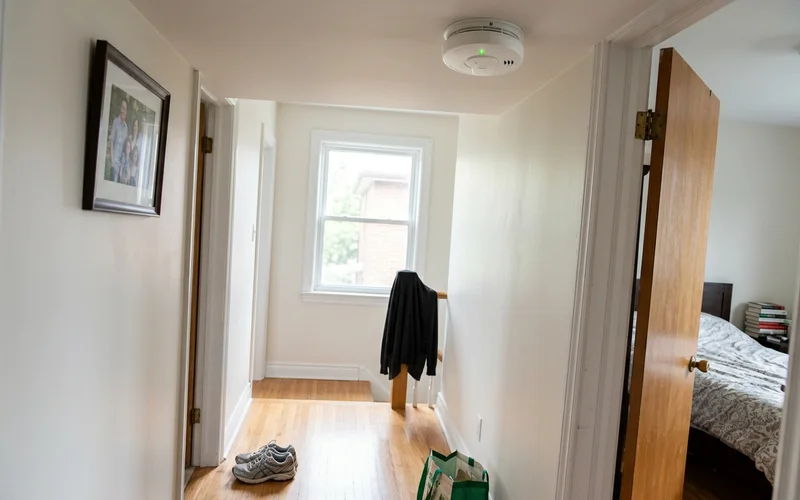
The 2026 updates to the Ontario Fire Code now mandate working carbon monoxide alarms on every single floor of a home with a fuel-burning appliance.
We want to highlight these recent law changes so you are fully prepared for your next inspection. Installing updated alarms on every level demonstrates a profound commitment to property safety. It gives the insurance company absolute confidence in your risk profile.
Is the Cleanup Itself Covered?
Standard home insurance policies generally do not cover the cost of a hoarding cleanup because carriers classify clutter as a long-term maintenance failure. We often have to explain the critical difference between sudden emergencies and gradual deterioration. The Insurance Bureau of Canada clearly states that standard policies only protect against sudden and accidental events. Damage that happens slowly over time is strictly excluded from standard coverage.
Our crews sometimes uncover secondary disasters during the clearing process. A sudden incident like a freshly burst pipe behind a stack of boxes might actually qualify for a legitimate claim.
- Excluded: Gradual mold growth, slow seepage, and pest infestations.
- Potentially Covered: A sudden pipe burst or accidental appliance overflow.
You can read a complete breakdown of these specific scenarios in our guide on insurance coverage for hoarding cleanup.
We always provide a fixed, written scope of work regardless of the insurance situation. This transparent pricing allows you to budget for the project accurately. Acting quickly with a clear plan proves to your insurer that you are a responsible property owner.
Conclusion
Dealing with a cancelled insurance policy is incredibly stressful, but it is a highly solvable problem. We have helped countless homeowners restore safety and regain their coverage through targeted cleanouts.
The key is to take immediate, documented action before your current policy expires.
If you recently had your home insurance denied hoarding risks do not have to be permanent. We are ready to help you secure the proof your underwriter needs.