
Where Hoarding Fits in Ontario Tenancy Law
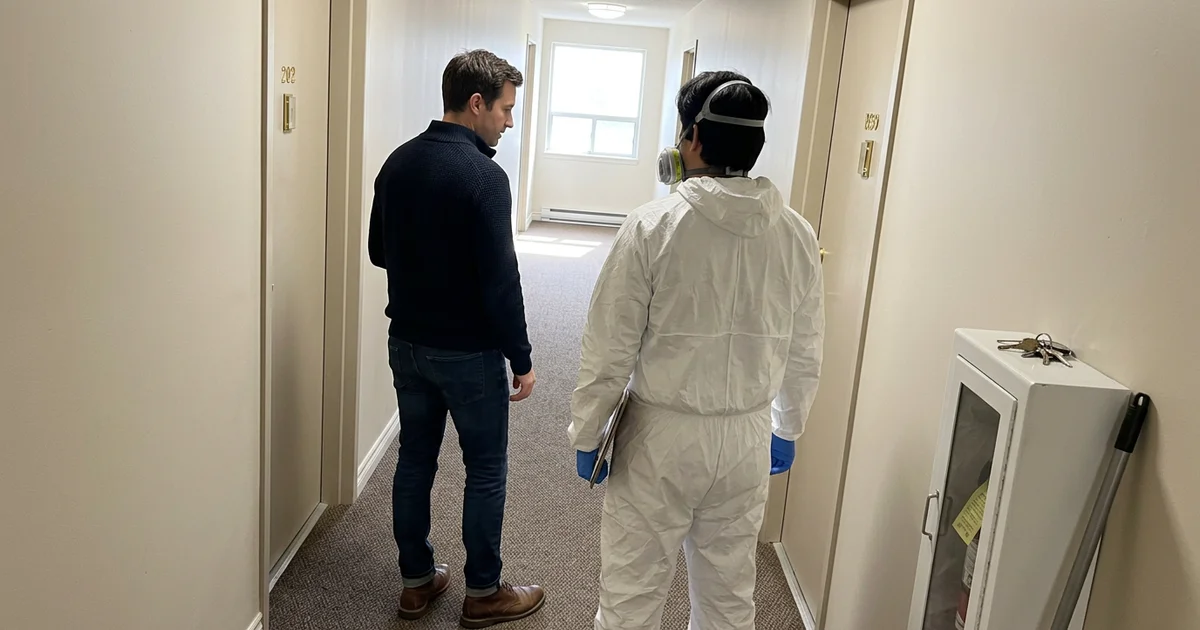
When a tenant’s unit fills up, landlords face real risks: fire hazards, pests spreading to other units, odour complaints, damage to the unit and sometimes a Property Standards Order from the city. At the same time, the tenant has strong protections under Ontario’s Residential Tenancies Act, and hoarding is often linked to mental health. Landlords who move carefully protect both their property and their legal position. A respectful, documented cleanup through a landlord hoarding response service is often part of the solution.
Not legal advice
This guide explains general concepts. For any notice or application, speak with a licensed paralegal or lawyer who handles Landlord and Tenant Board (LTB) matters.
What Form N5 Is
Form N5 is the LTB’s Notice to End your Tenancy for interfering with others, damage or overcrowding. It may be relevant when a tenant’s hoarding:
- Causes damage to the unit or building, such as water damage, pest damage or rot
- Seriously interferes with other tenants or the landlord, for example through odour or pests spreading
- Creates safety concerns that affect others in the building
An N5 is not an eviction. It is a formal notice that gives the tenant a chance to fix the problem.
The Rectification Window
For a first N5, the tenant generally has a set period after receiving the notice to correct the problem, for example by removing the accumulation, stopping the interference or paying for the damage. If they do, the notice can become void. This is where a cleanup often comes in. Many tenants do not have the means, energy or health to clear a unit alone in that time, and a professional cleanup, sometimes paid for by the landlord with costs addressed later, can resolve the issue within the window.
| Scenario | Possible path |
|---|---|
| Tenant agrees to a cleanup within the N5 window | Cleanup completed, issue corrected, notice may become void |
| Tenant refuses or cannot be reached | Landlord may apply to the LTB after the window, with evidence |
| Damage requires repair | Landlord may seek compensation through the LTB with documentation |
| A PSO or fire hazard creates urgency | Focus on safety items first; get legal advice on access |
Documenting Unit Condition
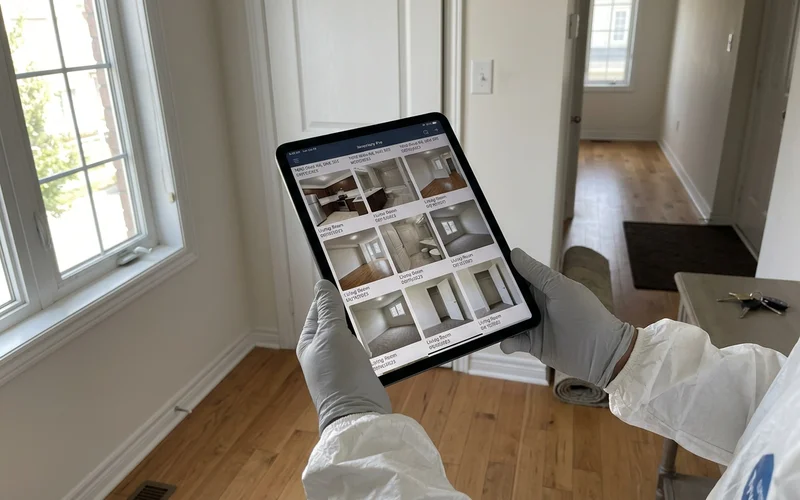
Whatever path you take, evidence matters at the LTB. Before any cleanup work, we photograph each room as found, with dates. During the work, we record what was removed, any damage uncovered and pest activity. At the end, you receive before and after photos, an itemized scope and invoice, weigh tickets and, where applicable, biohazard manifests. This record shows the condition of the unit, what it took to restore it and what it cost, which is exactly the kind of evidence an adjudicator will want to see.
Working With the Tenant, Not Around Them
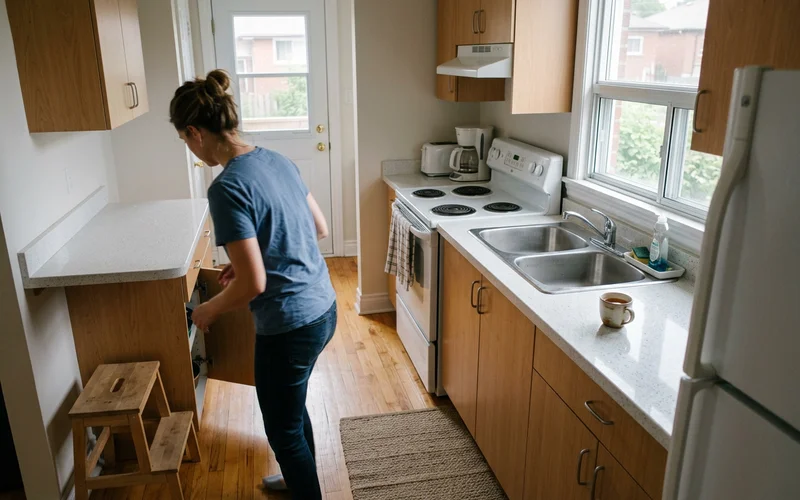
A landlord must give proper written notice to enter a unit, and a tenant’s belongings remain theirs. In practice, the best outcomes come when the tenant is involved. Our crews sort with the tenant into keep, donate and discard, and nothing is removed without their decision. That reduces disputes, speeds up the work and, in many cases, keeps a long-term tenancy intact. If the tenant has a case worker, family member or support person, involving them often helps.
Practical Steps for Landlords
- Inspect with proper notice and photograph what you see.
- Speak with the tenant directly, calmly and in writing, about the specific problems.
- Get legal advice on whether an N5 is appropriate and how to serve it correctly.
- Offer or arrange a cleanup within the rectification window if the tenant agrees.
- Keep every record: notices, photos, the scope, invoices and completion photos.
- If a Property Standards Order is involved, make sure the cleanup scope covers each listed item.
Who Pays
Landlords often pay for the cleanup first to protect the building and meet deadlines. Whether some or all of the cost can be recovered depends on the situation. Our guide on who pays for cleanup in a rental covers tenant damage, landlord duties and insurance in more detail.
Handled well, an N5 situation does not have to end in eviction. A documented, respectful cleanup within the window can fix the immediate problem, protect other tenants and give everyone a fresh start.