
The Short Answer
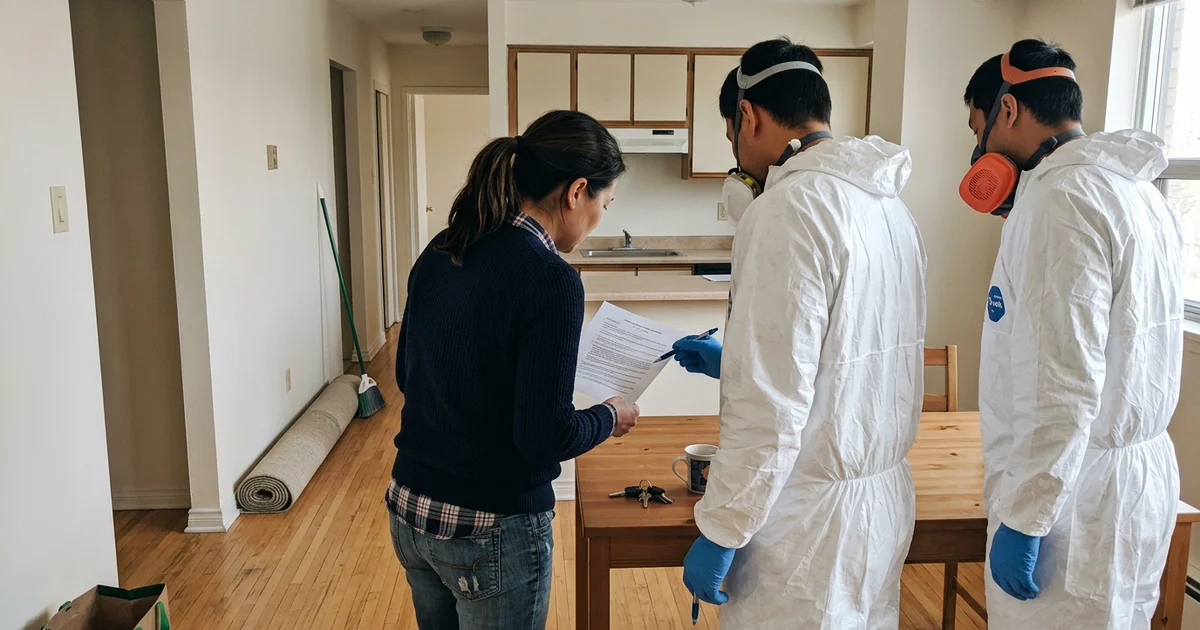
In most cases the landlord pays first, because the landlord owns the building, carries the legal duties and faces the deadlines. Whether some of that cost can later be recovered from the tenant or an insurer depends on what caused the problem, what the evidence shows and what the policy covers. Getting the paperwork right from the start is what keeps those options open, which is why documentation is built into every landlord hoarding cleanup we do.
Not legal advice
Tenancy and insurance rules depend on the facts. Speak with a paralegal or lawyer before making claims at the Landlord and Tenant Board.
Tenant Damage vs Landlord Maintenance Duty
Ontario’s Residential Tenancies Act puts duties on both sides. Landlords must keep rental units in a good state of repair and fit for habitation, and comply with health, safety and maintenance standards. Tenants are responsible for ordinary cleanliness and for undue damage caused wilfully or negligently by them or their guests.
| Cost | Usually whose responsibility | Notes |
|---|---|---|
| Repairs to building systems and structure | Landlord, first | May be recoverable if caused by tenant damage |
| Damage caused by the tenant beyond normal wear | Tenant | Landlord may claim at the LTB with evidence |
| Cleaning a unit after a tenant leaves | Often landlord in practice | Recovery depends on condition and evidence |
| Removing a current tenant’s belongings | Not the landlord’s call | Needs the tenant’s agreement or legal process |
| Pest treatment | Landlord, generally | Tenant cooperation required |
| City-ordered work under a PSO | Owner | The order is issued to the owner |
Recovering Costs Through the LTB
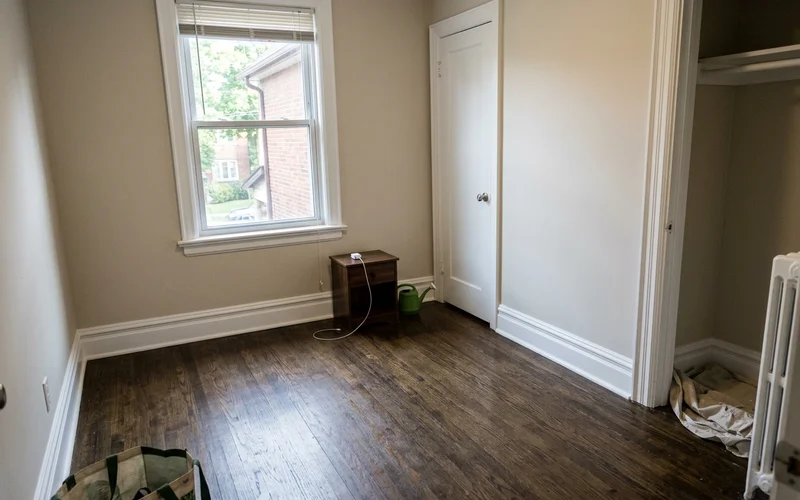
Landlords may apply to the Landlord and Tenant Board for compensation when a tenant has caused undue damage. The board will want evidence: the condition before and after, what work was needed and what it cost. That is where a professional cleanup record matters. Dated photos as found, an itemized scope and invoice, disposal weigh tickets and any biohazard manifests together show the damage and the reasonable cost of fixing it. If you are also considering a notice, our guide on LTB Form N5 and tenant hoarding explains where that fits.
Landlord Policy Coverage
Landlord and rental property policies follow the same sudden-versus-gradual logic as homeowner policies. Slow build-up, pests and housekeeping are usually excluded. Sudden events often are not, including:
- A burst pipe or water heater failure behind stored items
- A sewage backup into a basement unit, with the right endorsement
- Fire or smoke damage
- An unattended death in the unit
When a claim may apply, we document the loss before anything moves and coordinate with your adjuster. If only part of the job is covered, we split the scope so the claim is clear.
What a Landlord Cleanup Costs
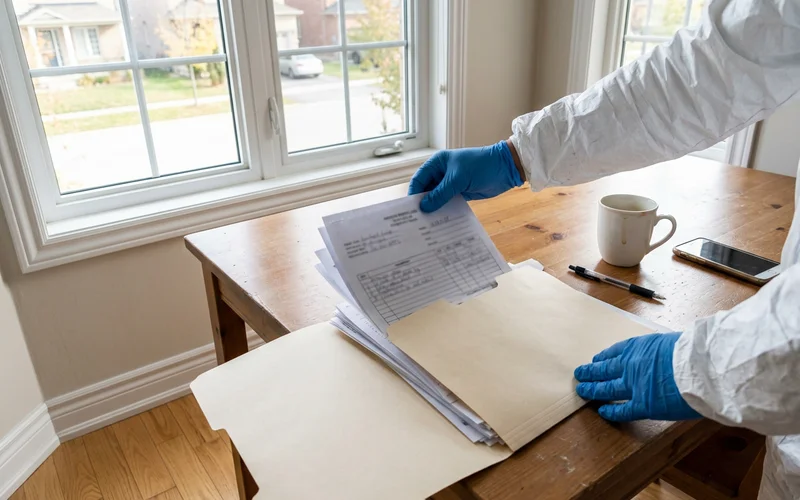
In the GTA, landlord and PSO hoarding cleanups typically cost $3,000 to $10,500. A bachelor or one-bedroom with a short list of issues sits near the low end. A full house or large unit with pests, biohazards and a long Property Standards Order sits near the top. The compliance letter, photo log and disposal records are included as standard. Compared with a city-forced cleanup after a missed PSO deadline, which can cost several times more, a private cleanup is almost always the cheaper route.
Paying Now, Recovering Later
Many landlords decide to pay for the cleanup immediately to protect the building, other tenants and the deadline, then pursue recovery afterwards. That approach works best when:
- The tenant has been given proper notices and the chance to participate
- Every step is documented with dates and photos
- The scope separates tenant-caused damage from general maintenance
- Legal advice is in place before any application is filed
A fixed, itemized quote helps you make that call with real numbers. We can usually assess within 24 hours and send a written scope the same day or the next.