
First, Do Not Ignore It
A Property Standards Order deadline passing is not the end of the road, but ignoring it makes everything harder and more expensive. The City of Toronto has real powers when an order under Municipal Code Chapter 629 is not met. The good news is that many owners who act quickly, even after the date, still avoid the worst outcomes. If you are already past the deadline, our PSO rescue cleanup process is designed for exactly this situation.
What the City Can Do After a Missed Deadline
| Possible step | What it means for the owner |
|---|---|
| Re-inspection and follow-up notice | The inspector confirms the work is not done |
| City-arranged work | The city hires a contractor to clear and clean the property |
| Costs charged to the owner | Contractor costs and administration are billed back |
| Added to the tax roll | Unpaid costs can be added to property taxes and collected like taxes |
| Prosecution | Non-compliance can lead to charges and fines under provincial and municipal law |
Not every case goes through every step. Much depends on the risk involved, how long the problem has continued and whether the owner is communicating with the city.
Why City-Forced Cleanups Cost So Much More
City contractors are hired to remove hazards quickly, not to sort belongings or keep costs down. In our experience, a city-forced cleanup often ends up costing 5 to 10 times a documented private quote. There are a few reasons:
- Urgency rates. Work ordered by the city is often rushed and priced accordingly.
- Administration. City management and inspection costs are added on top.
- Volume disposal. Everything goes, so disposal weight and fees are at their highest.
- No negotiation. The owner does not choose the contractor or approve the scope.
Zero item retention
City clearouts are not designed to sort family photos from flyers. Belongings, documents and keepsakes are usually lost. For tenants and families, that is often the most painful part.
What to Do Today
- Call the inspector. Be honest. Explain why the deadline was missed and what you are doing about it. Ask what they need to see.
- Book an assessment. Get a written scope that answers each item on the order. We assess within 24 hours.
- Send the plan. Share the scope and a start date with the inspector. A booked, documented plan shows good faith.
- Start the work. For binding deadlines, we start within 72 hours and bring extra crew to shorten the job.
- Keep records. Photos, weigh tickets and the compliance letter go to the inspector at the end.
How Fast a Rescue Cleanup Can Start
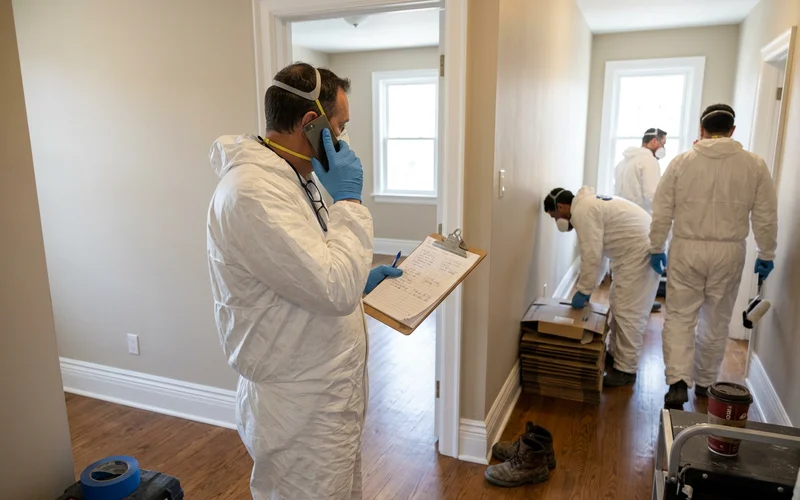
Speed depends on access and building logistics, but our usual timeline for a past-due order looks like this:
- Day 1: You call. Assessment booked within 24 hours.
- Day 2: Scope written against the order, shared with you and, if you wish, the inspector.
- Day 3 or 4: Work begins, focusing first on the items the inspector listed.
- Days 4 to 8: Clearing, pest control and disinfection completed for most units and houses.
- Final day: Compliance letter, photos and disposal records sent for re-inspection.
Larger homes or very severe conditions take longer, but the most serious items on the order are usually dealt with in the first few days.
If There Is a Tenant in the Unit
The Residential Tenancies Act still applies, even when a deadline has passed. Give proper written notice to enter, involve the tenant in sorting where you can, and get legal advice before taking any steps toward eviction. A respectful, documented cleanup often resolves the immediate problem and protects your position if the matter goes to the Landlord and Tenant Board later.
Avoiding the Same Problem Next Time
Once the order is closed, a few habits help: regular inspections with proper notice, clear lease terms about housekeeping and fire safety, and early conversations with tenants when you notice warning signs. Our PSO compliance guide covers the full process from notice to sign-off so you can respond faster if another order ever arrives.
If you are past the date right now, call. A documented private cleanup almost always costs far less than letting the city do it.