
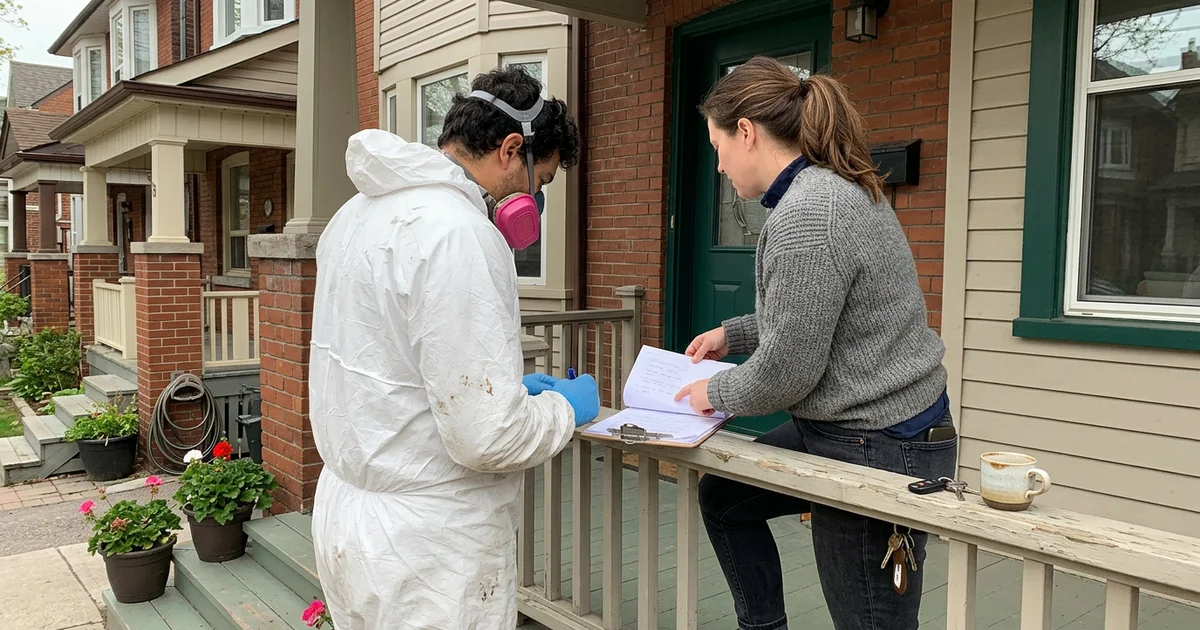
What a Property Standards Order Is
A Property Standards Order, often called a PSO, is a legal order from the City of Toronto requiring an owner to bring a property up to the minimum standards in Toronto Municipal Code Chapter 629. Chapter 629 covers far more than hoarding, but several of its standards apply directly to hoarded homes and units: accumulations of waste and debris, pest infestations, blocked exits, unsanitary conditions and damage that cannot be repaired because nobody can reach it. If you own or manage a rental and have just received an order, our landlord and PSO hoarding response service is built around exactly this process.
Orders usually follow an inspection by a Municipal Licensing & Standards (MLS) officer. Inspections can be triggered by a complaint from a tenant, neighbour, firefighter, paramedic or public health, or by the city itself. Sometimes a written notice of violation comes first, giving the owner a chance to fix things before a formal order is issued.
Step 1: Read the Order Line by Line
Every order lists specific items. Do not treat it as a general instruction to “clean up”. Note:
- Each violation listed, with the section of Chapter 629 it refers to
- The compliance date for each item
- The appeal deadline and how to file
- The inspector’s name and contact details
- What happens if you do not comply, which usually includes the city’s right to do the work and charge you
Most orders give 7 to 30 days
That sounds like a lot until you factor in tenant notice, quotes, building access and exterminator treatment. Start planning the day the order arrives.
Step 2: Decide Whether to Appeal
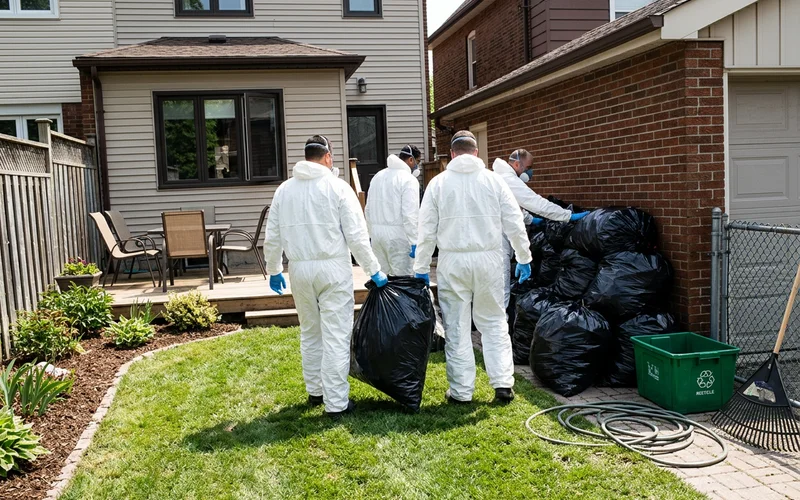
Owners can appeal an order to the Property Standards Committee within the window printed on it. Appeals make sense if the order contains a factual error, if the deadline is unrealistic for the scope of work, or if you disagree with what is required. An appeal can sometimes extend a deadline. But appeals take time, and many owners choose to start the work at the same time so they are not caught short if the appeal fails. If you are unsure, speak with a paralegal or lawyer who handles municipal matters.
Step 3: Get a Scope That Matches the Order
A general cleanup quote is not enough. You want a scope that answers each violation on the order, so the inspector can tick every item off at re-inspection.
| Typical PSO item | What the scope should include |
|---|---|
| Accumulation of waste or debris | Sorting, removal and disposal with weigh tickets |
| Vermin or pest infestation | Exterminator treatment, nesting and droppings removal, sealing |
| Blocked exits or egress windows | Full clearing of doors, halls, stairs and windows |
| Unsanitary conditions | Disinfection of kitchen, bathroom and affected areas |
| Yard or exterior accumulations | Clearing yard, porch, garage and laneway areas |
| Damage revealed after clearing | Notes and photos for repair trades |
Our process for binding deadlines is to assess within 24 hours of your call, write the scope against the order, and start within 72 hours.
Step 4: Handle Tenants and Access Properly
If the unit is occupied, the Residential Tenancies Act still applies. Landlords must give proper written notice to enter, usually at least 24 hours, for the stated purpose. Where possible, involve the tenant in sorting their own belongings. It is respectful, it reduces disputes and it often speeds the work up. If the tenant refuses to cooperate, speak with a paralegal before entering. A cleanup that follows the rules protects you if the matter later goes to the Landlord and Tenant Board.
Step 5: Do the Work and Document Everything
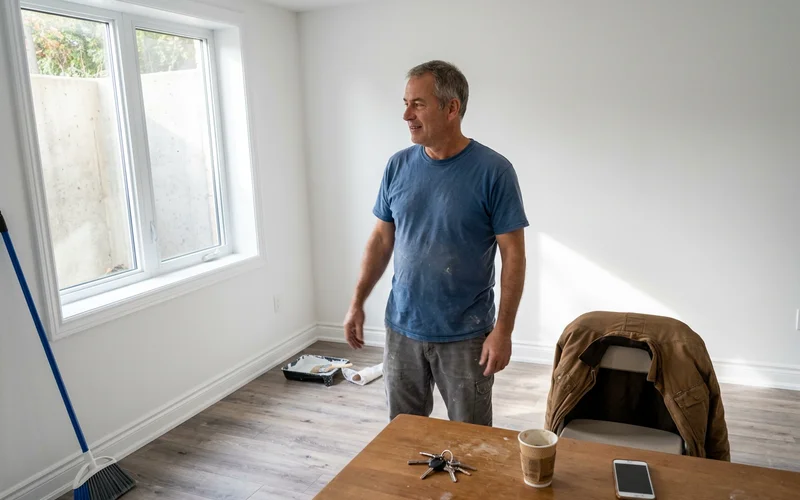
During the cleanup, documentation matters as much as the work itself. On PSO jobs, we photograph each violation as found, then again when fixed, from the same angle where possible. Disposal is weighed, biohazard waste leaves with a licensed carrier and a manifest, and the exterminator’s visit is recorded. If repairs are needed, such as a damaged floor or broken fixture found under contents, we note them so your trades can complete them before the deadline.
Step 6: Prepare for Re-Inspection and Sign-Off
When the work is complete, you receive a compliance letter that lists each violation from the order and the work that addressed it, with dates and our certifications. Attach the photo log and disposal records. Many owners send this to the inspector before the re-inspection, which makes the visit quicker. The inspector will confirm compliance on site. Once satisfied, the matter is closed.
Peel, York and Halton
Chapter 629 is a City of Toronto bylaw, which includes Scarborough, North York, Etobicoke and East York. Mississauga, Brampton, Vaughan, Markham, Oakville and Richmond Hill each have their own property standards bylaws. Orders there work in a very similar way, and the same steps apply.
If the Deadline Has Already Passed
Call the inspector, explain that work is underway or booked, and ask what they need. Then read our guide on what happens after a missed PSO deadline. The sooner work starts, the more options you usually have.
Whatever stage you are at, you can send us the order and we will tell you plainly what it will take to comply and how quickly we can start.