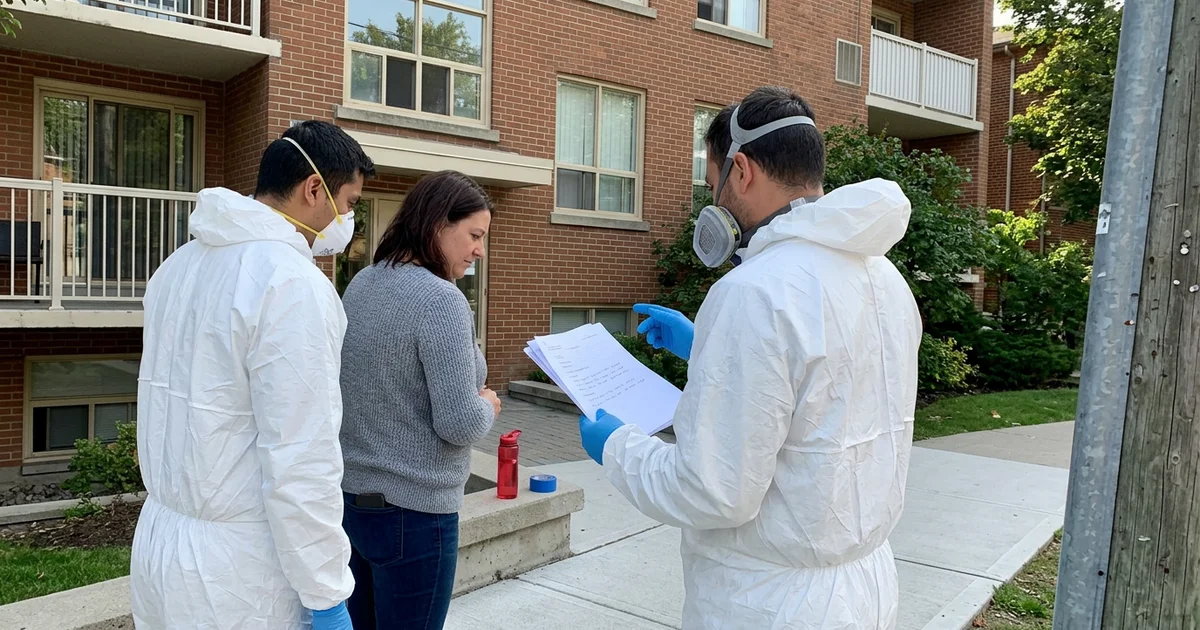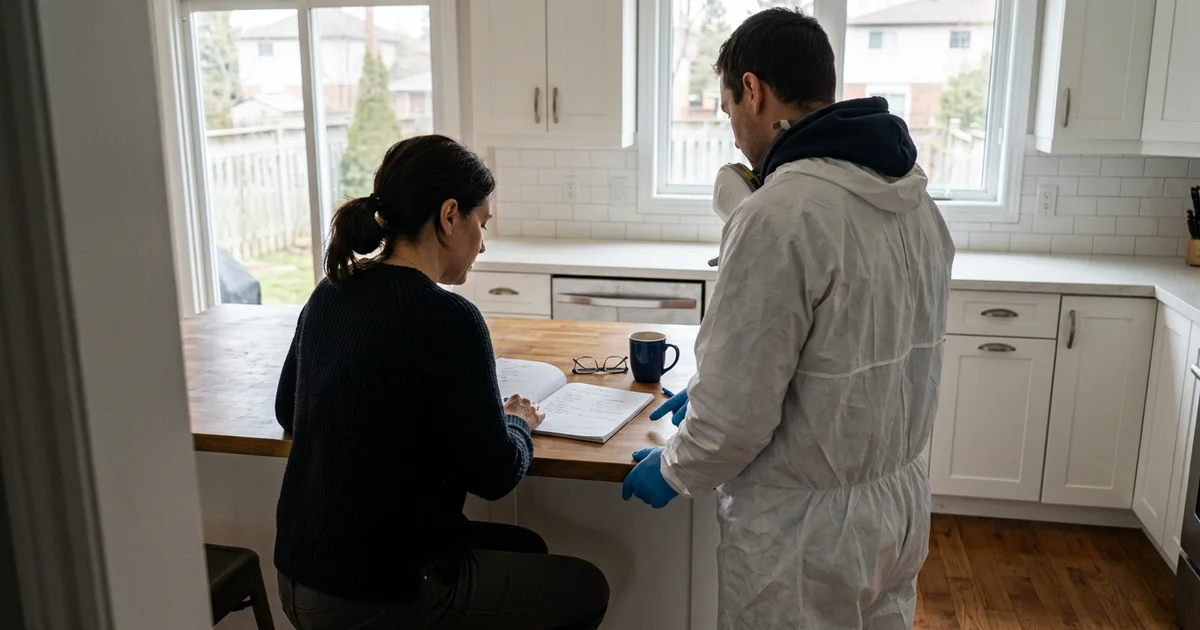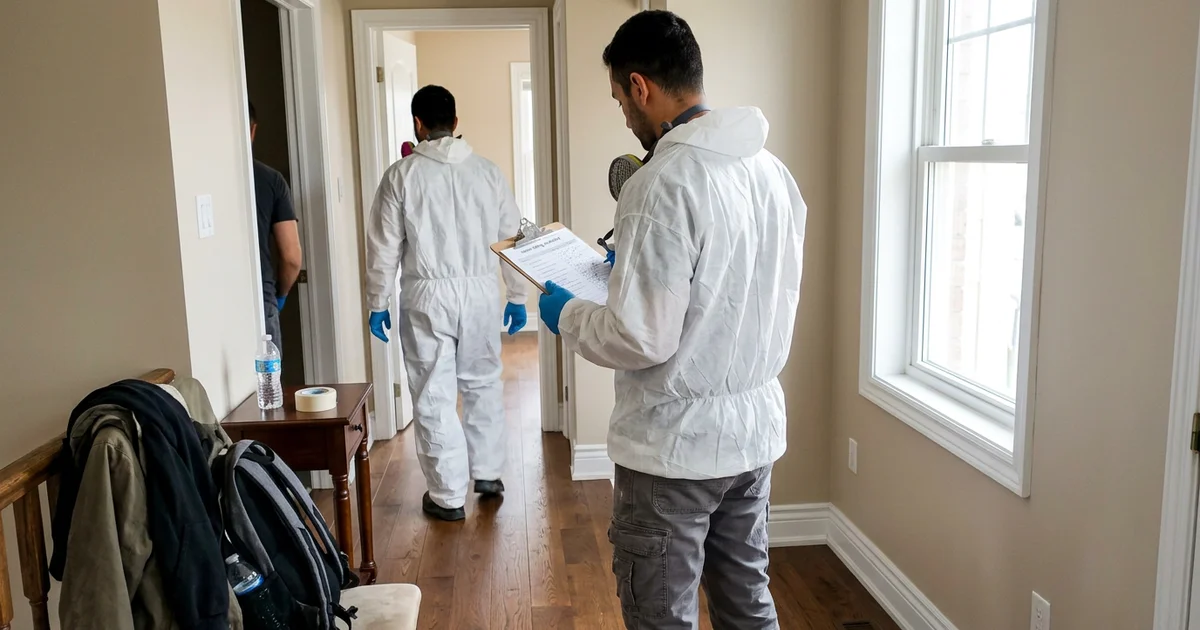
When families describe a loved one’s home to us, they often say “it is bad” or “it is really bad”. Those words mean very different things to different people. That is why cleanup crews, case workers and mental health professionals use rating scales to describe hoarding more precisely. The two you are most likely to hear about are a 1 to 5 level scale and the Clutter Image Rating. Knowing where a home sits helps you understand the risks, the timeline and the cost of a whole-house hoarding cleanup.
The 1 to 5 Scale at a Glance
| Level | What you see | Main risks | Typical cleanup |
|---|---|---|---|
| 1 | Cluttered but all rooms usable, exits clear | Minimal | Decluttering, often family-led |
| 2 | Some rooms crowded, light odour, small pest signs | Trips, early pests | Decluttering or a small crew |
| 3 | At least one room unusable, clutter on stairs or halls | Falls, fire load, pests | Professional cleanup, 3-5 days for a house |
| 4 | Several rooms unusable, odour, pests, possible water damage | Health, fire, structural | Full PPE in parts, 5-7 days |
| 5 | Exits blocked, kitchen or bathroom unusable, sanitation broken down | Serious health and safety risk | Full PPE, biohazard handling, up to 10 days |
Different organizations describe the levels slightly differently, but the pattern is the same: as levels rise, safety, health and the home’s structure are increasingly affected.
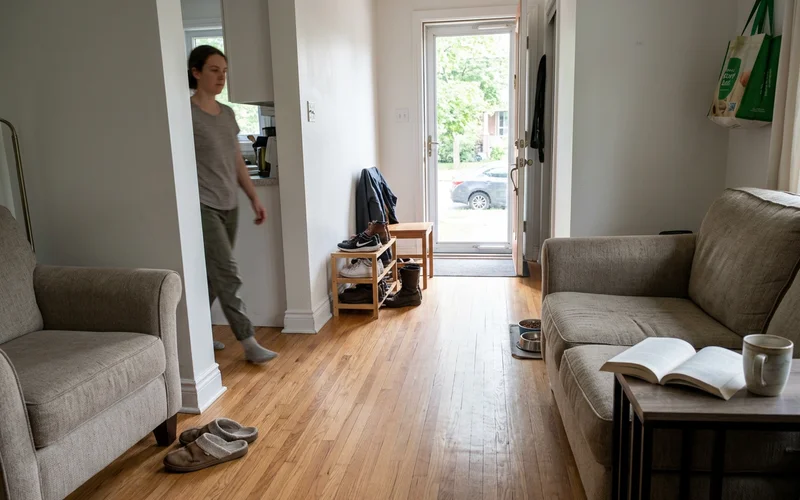
The Clutter Image Rating
The Clutter Image Rating, or CIR, is a set of photos showing rooms from 1 (clear) to 9 (packed to the ceiling). You compare each room to the pictures and choose the closest match. It is useful because it is visual and room by room. A home might have a kitchen at 3, a bedroom at 6 and a basement at 8. Clinicians often consider ratings of 4 and above in key rooms to be a concern. We use CIR during assessments because it helps us plan the order of work and the crew size for each room.
Levels describe homes, not people
A rating tells us about safety and scope. It says nothing about the person’s worth, intelligence or character.
How Level Changes the Cleanup
Levels 1-2. Mostly sorting and decluttering. Families can often start on their own with support. Standard PPE.
Level 3. Professional help usually makes sense. Exits and stairs are cleared first, then the kitchen and bathroom. Sorting with the resident is the biggest time factor.
Level 4. Expect pest treatment, odour work and some biohazard handling. Water damage or mold may appear under piles.
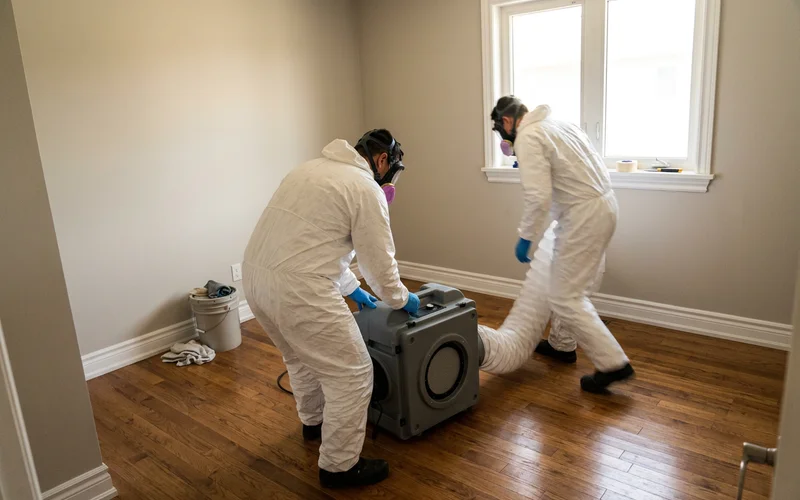
Level 5. Exits come first for safety. Full PPE, HEPA negative air and manifested disposal are standard. Our guide on when hoarding becomes a biohazard explains why.
How Level Affects Time and Cost
Higher levels take longer and cost more, mainly because of sorting time, hazards and disposal weight. As a rough guide for a two or three bedroom Toronto house, level 3 jobs often take 3 to 5 days and level 5 jobs up to 10. Our guide on how long hoarding cleanup takes has more detail by size and level.
Using the Scale at Home
You do not need to be an expert to use these scales. Walk through the home, room by room, and note which ones can still be used for what they are meant for. Note blocked exits, odour, pests and any signs of water damage. That simple list gives a hoarding cleanup crew most of what they need for a first conversation.
Not sure which level you are looking at? Our crew can rate the home room by room during a free assessment for a whole-house hoarding cleanup and give you a written plan.