
Clutter vs Contamination
Most hoarded homes are not biohazard sites. Plenty are simply full: papers, clothing, boxes and furniture, with no waste or rot. But some homes cross a line, and when they do, the job changes. Different protective equipment, different chemistry, different disposal rules and a different price. Knowing where that line is helps you choose the right service, keep family members safe and avoid surprises. When it is crossed, the work falls under biohazard remediation as well as hoarding cleanup.
The Signs That Make It a Biohazard Job
| Sign | Why it is a biohazard | What changes |
|---|---|---|
| Human waste, urine or used containers | Bacteria and viruses in bodily waste | Full PPE, disinfection, regulated disposal |
| Heavy animal waste or urine | Pathogens, ammonia, parasites like Toxoplasma | Respirators, enzymatic treatment, flooring checks |
| Rotting food in quantity | Bacteria, mold, flies and maggots | Containment, disinfection, odour source removal |
| Rodent droppings and nesting | Hantavirus and other pathogens | P100 respirators, wet removal, HEPA vacuuming |
| Visible mold growth | Spores that affect breathing | Containment, removal of affected materials |
| Needles and sharps | Bloodborne pathogen and injury risk | Sharps sweep, rigid containers, manifest |
| Blood or bodily fluids | Hepatitis B, C, HIV and other pathogens | OSHA 1910.1030 protocol, porous material removal |
| Decomposition | Fluids, odour compounds and pathogens | IICRC S540 process, structural treatment |
Even one of these in part of the home is enough to change how that area is handled.
Why the PPE Level Changes
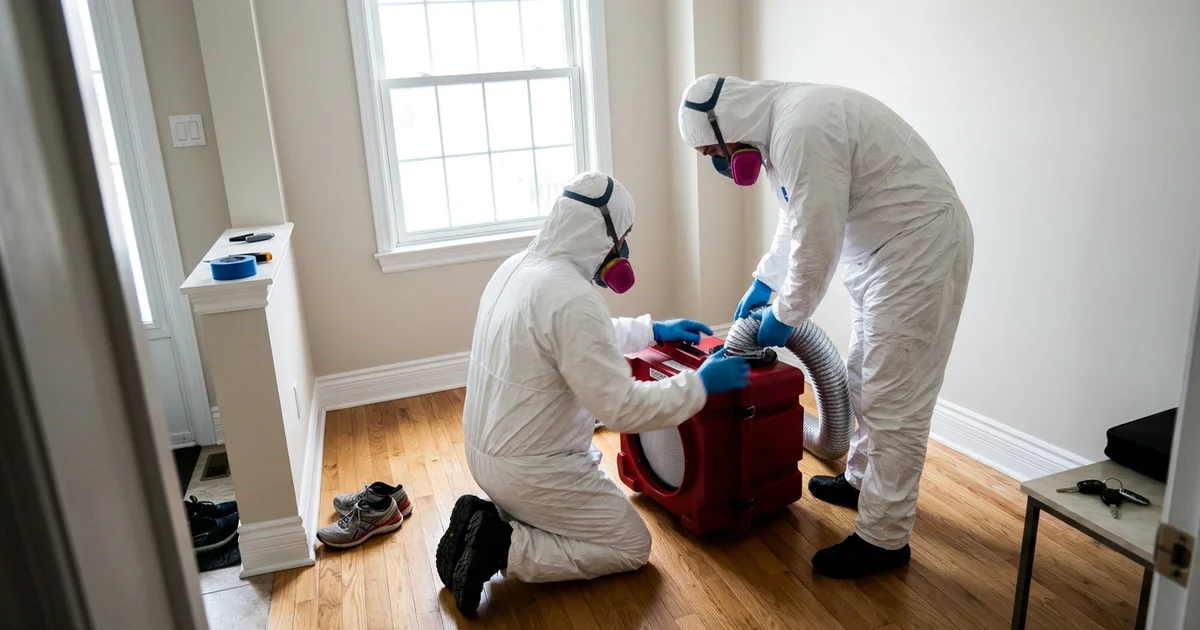
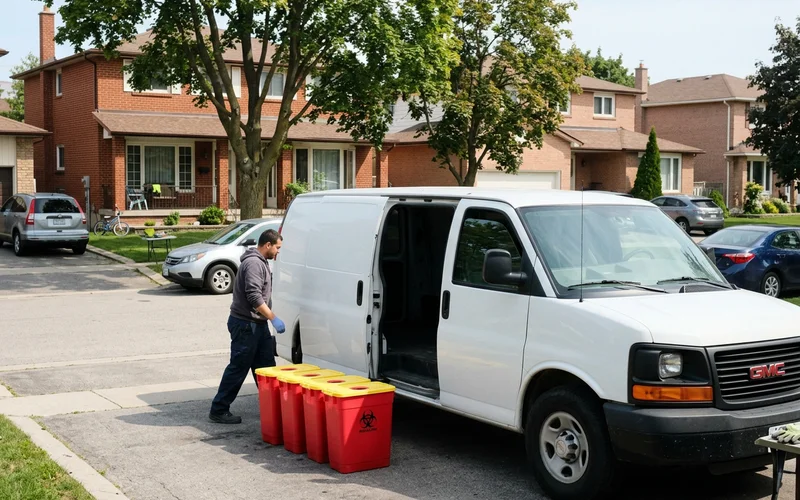
For a clutter-only home, crews wear gloves, work boots and dust masks. Once biohazards are present, the minimum becomes fluid-resistant Tyvek coveralls, double nitrile gloves, eye protection and N95 or P100 respirators, sometimes full-face. Crews set up decontamination points at doorways so contamination does not travel through the house on boots and suits. HEPA negative air machines pull air through filters, keeping spores and particles inside the work zone.
This is not overcaution. Rodent droppings stirred into dust, mold spores released from wet paper and needles hidden in piles are real hazards, and our crews deal with them in homes across the GTA every week. The same applies when pests are part of the picture, which our guide on hoarding cleanup with pests explains.
For families helping out
If you see or smell any of the signs above, stop clearing and close the room off. A free assessment costs nothing; a hospital visit costs a lot more.
How Biohazard Affects Price
Biohazard work costs more for three main reasons: protective equipment and containment add time, chemistry and verification add steps, and regulated waste must go through a licensed carrier at a per-weight cost. In practice, a hoarded home with biohazard areas usually sits in the upper half of our whole-house range, and pure biohazard remediation in Ontario typically runs $2,500 to $8,500. Our guide to biohazard cleanup cost in Ontario breaks down the drivers. We always price biohazard areas as separate line items, so you can see exactly what part of the cost they represent.
Manifested Disposal Is Required
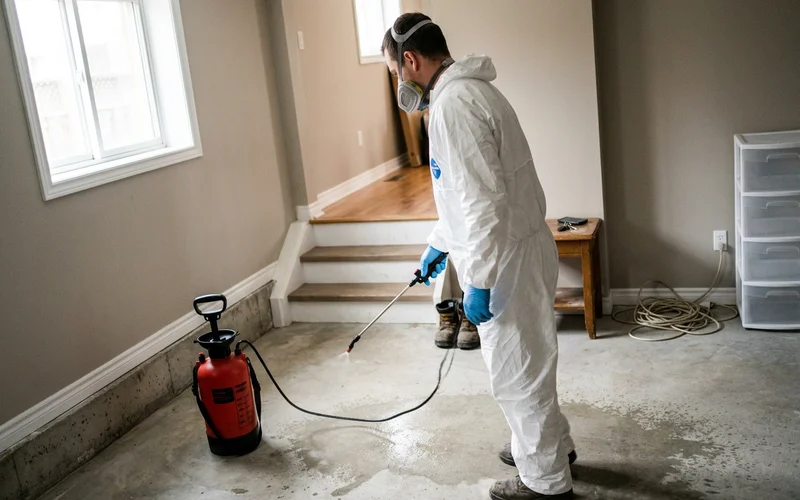
In Ontario, regulated biomedical and hazardous waste falls under O. Reg. 347. Sharps and materials soaked with blood or bodily fluids must be packaged correctly, transported by a licensed carrier and tracked on a manifest to an approved facility. They cannot go in household garbage or a regular junk removal load. You should receive a copy of the manifest at the end of the job. It is also often required by insurers when a claim is involved.
What Happens at the Assessment
When we walk a home, we look for these signs room by room and mark areas that need biohazard handling on the scope. Often only part of a home qualifies, such as a bathroom, a bedroom or a basement corner, and the rest can be cleared with standard PPE. Splitting the job this way keeps costs fair and the work safe.
If you are unsure whether what you are seeing counts, describe it on the phone or in a message. A crew lead will tell you honestly whether it needs biohazard handling, and what that would mean for timing and cost.